
Best Arthroscopy Treatment in Banaswadi
Best Arthroscopy Treatment in Banaswadi

What is Arthroscopy?
Arthroscopy is a minimally invasive orthopedic procedure used to diagnose and treat problems inside a joint using a small camera called an arthroscope.
The camera is inserted through tiny incisions, allowing the surgeon to view the joint on a monitor and perform necessary repairs using specialized instruments. Commonly performed on the knee, shoulder, hip, ankle, elbow, and wrist, arthroscopy is usually recommended for ligament injuries, cartilage damage, meniscus tears, rotator cuff injuries, and joint instability.
Compared to traditional open surgery, arthroscopy involves smaller incisions, less tissue disruption, and faster recovery.
When is Arthroscopy Recommended?
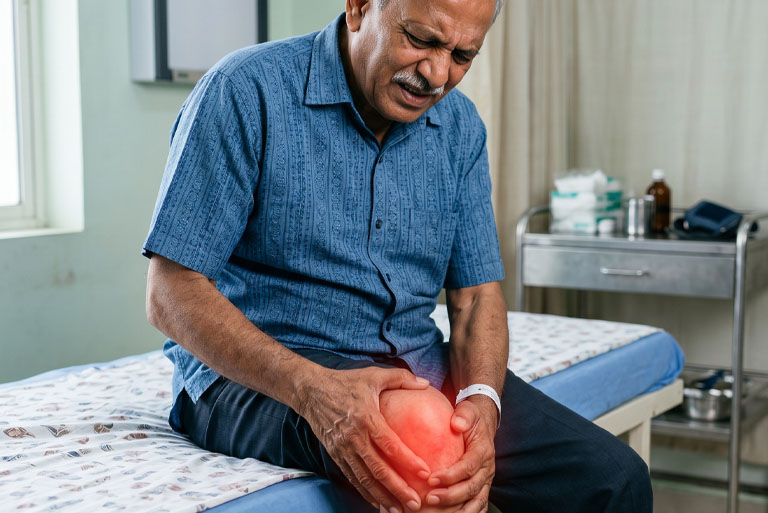
Arthroscopy may be recommended when joint pain, swelling, stiffness, locking, instability, or reduced mobility does not improve with conservative treatments, such as medications, physiotherapy, activity modification, or injections.
It is frequently used for diagnosing and treating meniscal tears, ACL injuries, cartilage damage, rotator cuff tears, recurrent shoulder dislocations, labral tears, loose bone fragments, and certain sports-related injuries.
In some cases, imaging tests such as X-rays or MRI may not provide sufficient information, and arthroscopy helps both confirm the diagnosis and address the underlying problem during the same procedure.
Arthroscopy Treatment at a Glance
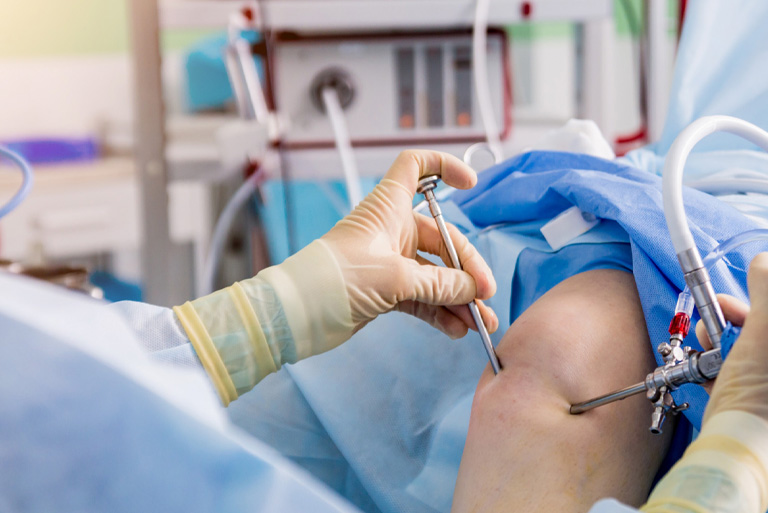
Arthroscopy is commonly performed as a day-care or short-stay procedure under local, regional, or general anesthesia. During surgery, the arthroscope provides a magnified view of the joint, enabling precise diagnosis and treatment.
Depending on the condition, the surgeon may repair torn ligaments, trim damaged cartilage, remove loose fragments, reconstruct ligaments, or treat inflamed tissue.
Most patients experience less postoperative pain, smaller scars, reduced risk of complications, and a quicker return to daily activities compared to traditional open surgery. Recovery timelines vary depending on the joint involved and the complexity of the procedure.
Choosing the Right Clinic for Arthroscopy Treatment
Selecting the right clinic for arthroscopy treatment plays a significant role in treatment outcomes. Patients should consider factors such as the experience of the orthopedic surgeon, availability of advanced arthroscopic equipment, rehabilitation support, infection control protocols, and personalized postoperative care.
A comprehensive center like Total Orthocare that provides diagnosis, surgery, rehabilitation, and long-term follow-up under one roof often ensures a smoother treatment journey.
Access to specialized sports injury treatment and rehabilitation support can be particularly beneficial for athletes and active individuals seeking a safe return to sports and daily activities.




Physiotherapy
Our Physiotherapy treatment could help you become more mobile and make you more comfortable…

Spine Care
We offer a wide variety of treatments for all spine related problems to help you achieve your best health…

Sports Injury & Rehab
We offer complete solutions to Sports related injuries and RSIs through a multi-modal approach…

Arthritis Management
We specialize in diagnosing & treating all types of Arthritis & Joint problems by various Surgical & Non-Surgical treatments..

General Orthopaedic
We specialize in the diagnosis & treatment of all Orthopedic diseases &
conditions..

PEMF Therapy
Our PEMF Therapy helps reduce pain, improve circulation, and support faster healing and recovery…


Dr. Shuaib Kausar
- Specialities:
- Comprehensive Orthopaedic Care
- Trauma & Fracture Management
- Joint Replacement (Arthroplasty)
- Sports Medicine & Sports Injury Treatment
- Arthroscopy Procedures
- Spine Care & Rehabilitation
- Experience:
- Vast clinical experience in Orthopaedics and trauma care
- Successfully treated numerous cases related to arthritis, sports injuries, and spine disorders
- Known for precise diagnosis and patient focused treatment approach
- Works with an experienced physiotherapy team with 30+ years of combined experience for comprehensive orthopaedic rehabilitation and recovery
Arthroscopy is commonly referred to as “keyhole surgery” because it allows surgeons to examine and treat joints through very small incisions. The procedure uses a thin, fiber-optic camera connected to a high-definition monitor, providing detailed visualization of structures within the joint.
Modern arthroscopic techniques have transformed orthopedic care by allowing many conditions to be treated with minimal disruption to surrounding tissues.
Today, arthroscopy is widely used for both diagnostic and therapeutic purposes. It enables orthopedic surgeons to identify joint abnormalities and perform corrective procedures with high precision.
As a result, patients usually experience reduced pain, shorter hospital stays, lower infection risks, and faster rehabilitation compared to traditional open surgery.
Different types of arthroscopy are performed depending on the affected joint and underlying condition. The most commonly performed procedures include knee, shoulder, hip, ankle, elbow, and wrist arthroscopy. Total Orthocare offers the following types of arthroscopy procedures to patients:
- Knee Arthroscopy: Knee arthroscopy is commonly used to diagnose and treat meniscus tears, cartilage injuries, ACL injuries, loose bodies, and certain forms of arthritis. Patients seeking ACL arthroscopy in Banaswadi commonly undergo arthroscopic ligament reconstruction at Total Orthocare to restore knee stability and function.
- Shoulder Arthroscopy: Shoulder arthroscopy may be recommended for rotator cuff tears, shoulder instability, recurrent dislocations, labral tears, frozen shoulder, and shoulder impingement syndrome. The minimally invasive approach helps reduce soft tissue damage and supports faster rehabilitation.
- Hip Arthroscopy: At Total Orthocare, hip arthroscopy in Banaswadi may be performed to treat labral tears, femoroacetabular impingement (FAI), cartilage injuries, and certain causes of chronic hip pain. The procedure helps improve joint movement while preserving healthy tissue.
- Ankle Arthroscopy: Ankle arthroscopy is commonly used for cartilage injuries, ankle impingement, loose fragments, chronic ankle instability, and sports-related injuries.
- Elbow Arthroscopy: This procedure may be recommended for joint stiffness, loose bodies, cartilage damage, tennis elbow-related conditions, and repetitive strain injuries.
- Wrist Arthroscopy: Wrist arthroscopy can help diagnose and treat ligament injuries, cartilage damage, chronic wrist pain, and certain sports-related conditions.
Arthroscopy offers several advantages compared to traditional open joint surgery. Most patients experience less pain, smaller scars, and faster recovery after the procedure.
Key benefits of arthroscopy include:
- Smaller surgical incisions
- Reduced tissue trauma
- Less postoperative pain
- Lower risk of infection
- Shorter hospital stay
- Faster rehabilitation
- Earlier return to work and sports
- Improved visualization of joint structures
- Reduced blood loss during surgery
- Better cosmetic outcomes
These advantages have made arthroscopy a preferred treatment option for many orthopedic and sports-related injuries and an important part of comprehensive orthopedic care in Banaswadi at Total Orthocare.
Proper preparation before arthroscopy helps improve surgical safety and recovery outcomes. Patients usually undergo a detailed orthopedic assessment, imaging studies, and medical evaluation before the procedure.
Preparation steps may include:
- Orthopedic consultation and physical examination
- X-rays, MRI scans, or other imaging tests
- Blood investigations, if required
- Review of medications and allergies
- Anesthesia assessment
- Guidance regarding fasting before surgery
- Discussion of postoperative recovery expectations
Patients may also receive instructions regarding the temporary discontinuation of certain medications. Understanding the recovery process beforehand helps patients prepare for rehabilitation and return-to-activity timelines.
The arthroscopy procedure involves using a small camera and specialized instruments to diagnose and treat joint conditions through tiny incisions. It allows surgeons to perform precise repairs while minimizing damage to surrounding tissues.
At Total Orthocare, the steps involved during arthroscopy surgery in Banaswadi are as follows:
Step 1: Anesthesia
The procedure is performed under local, regional, spinal, or general anesthesia depending on the surgery and patient requirements.
Step 2: Small Incisions
Tiny incisions, called portals, are created around the affected joint.
Step 3: Arthroscope Insertion
The arthroscope is inserted into the joint, transmitting high-definition images to a monitor.
Step 4: Joint Assessment
The surgeon carefully examines cartilage, ligaments, tendons, and other structures.
Step 5: Treatment
Specialized instruments are used to repair or remove damaged tissue, reconstruct ligaments, treat cartilage injuries, or address other joint problems.
Step 6: Closure
The incisions are closed with sutures or adhesive strips and covered with sterile dressings.
Most arthroscopic procedures are completed within one to two hours, although more complex surgeries may require additional time.
Arthroscopy recovery time varies depending on the joint involved and the complexity of the procedure performed. Most patients recover faster than with traditional open surgery, especially when rehabilitation guidelines are followed carefully.
Recovery timelines differ based on the type of arthroscopic surgery, overall health, and rehabilitation progress. While minor procedures usually allow a return to routine activities within a few weeks, ligament reconstructions and tendon repairs may require longer recovery and structured physiotherapy.
Arthroscopy Recovery Timeline
| Procedure | Normal Recovery Time | Return to Daily Activities | Return to Sports/Heavy Activity |
| Knee Arthroscopy (Minor Procedures) | 2-6 Weeks | Few Days to 2 Weeks | 6-8 Weeks |
| ACL Arthroscopy | 6-9 Months | 2-6 Weeks | 6-12 Months |
| Meniscus Repair | 3-6 Months | 2-4 Weeks | 4-6 Months |
| Shoulder Arthroscopy (Minor Procedures) | 4-8 Weeks | 1-2 Weeks | 2-4 Months |
| Rotator Cuff Repair | 4-6 Months | 2-6 Weeks | 6-9 Months |
| Hip Arthroscopy | 6-12 Weeks | 2-4 Weeks | 3-6 Months |
Recovery Tips
- Follow postoperative instructions carefully.
- Attend follow-up appointments.
- Take medications as prescribed.
- Gradually increase activity levels.
- Avoid strenuous activities until advised.
- Participate in recommended rehabilitation.
Appropriate physiotherapy after arthroscopic surgery helps restore joint mobility, strength, and function while supporting a safe return to daily activities and sports.
Arthroscopy is generally considered a safe procedure with a low complication rate. However, like any surgical intervention, certain risks and complications, such as infection, bleeding, joint stiffness, and persistent pain, may occur.
Possible complications include:
- Infection
- Bleeding
- Blood clots
- Swelling around the joint
- Temporary nerve irritation
- Blood vessel injury
- Joint stiffness
- Persistent pain
- Delayed healing
- Anesthesia-related complications
Most patients undergoing arthroscopy recover successfully without significant complications, particularly when the procedure is performed by an experienced arthroscopy surgeon.
The cost of arthroscopy in Banaswadi depends on the type of joint involved and the specific procedure required. More complex surgeries, such as ACL reconstruction or hip arthroscopy, generally cost more than diagnostic or minor arthroscopic procedures.
Estimated Arthroscopy Cost in Banaswadi
| Procedure | Estimated Cost Range (INR) |
| Knee Arthroscopy | ₹50,000 – ₹1,20,000+ |
| ACL Arthroscopy | ₹80,000 – ₹2,50,000+ |
| Shoulder Arthroscopy | ₹70,000 – ₹2,00,000+ |
| Hip Arthroscopy | ₹1,00,000 – ₹3,00,000+ |
The actual cost may vary based on the patient’s condition, treatment plan, and recovery needs.
Factors Affecting the Cost of Arthroscopy
The cost of arthroscopy can vary depending on several factors. For example, the shoulder arthroscopy cost in Banaswadi and knee arthroscopy cost in Banaswadi may differ based on the complexity of the condition and treatment required. Key factors that affect the cost include:
- Type of arthroscopic surgery performed
- Severity of the joint condition
- Need for implants or grafts
- Surgeon’s expertise
- Hospital facilities and technology used
- Length of hospital stay, if required
- Postoperative rehabilitation requirements
Dr. Shuaib Kausar is an experienced orthopedic surgeon at Total Orthocare with expertise in arthroscopic procedures, sports injuries, ligament injuries, and joint disorders.
Recognized as a trusted arthroscopic surgery specialist in Banaswadi, he has over two decades of clinical experience in diagnosing and treating a wide range of orthopedic conditions.
His approach focuses on accurate diagnosis, personalized treatment planning, minimally invasive surgical techniques, and comprehensive rehabilitation support to help patients regain mobility and return to their daily activities with confidence.
Total Orthocare provides comprehensive arthroscopy treatment in Banaswadi using advanced techniques and personalized rehabilitation programs. The focus is on accurate diagnosis, effective treatment, faster recovery, and long-term joint health.
Reasons patients choose Total Orthocare include:
- More than 2 decades of orthopedic experience
- Over 10,000 patients treated
- More than 94% positive patient feedback
- Experienced arthroscopy and sports injury care
- Personalized treatment plans
- Advanced joint evaluation and diagnosis
- Minimally invasive arthroscopic procedures
- Treatment for knee, shoulder, and hip conditions
- Physiotherapy and rehabilitation support
- Focus on faster recovery and mobility restoration
- Patient-centered, evidence-based care
- Comprehensive care from diagnosis to recovery
Experiencing persistent joint pain or a sports injury? Consult the specialists at Total Orthocare to learn whether arthroscopy treatment may be right for you.
Obstetrics & Gynaecology
Obstetrics & Gynaecology
Obstetrics & Gynaecology
Obstetrics & Gynaecology
Obstetrics & Gynaecology
GOODTrustindex verifies that the original source of the review is Google. Doctor is kind, gentle, very helpful,..physiotherapy is really, honestly good, excellent, recommendedPosted on GoogleTrustindex verifies that the original source of the review is Google. Very conservative doctor. Very soft. Empathetic. Highly recommended. Excellent at diagnosing the issue.Posted on GoogleTrustindex verifies that the original source of the review is Google. Concerned therapist and quick service. Physiotherapist helped me understand the issue and explained every detail which helped me take care of my problem and make changes to my routine to recover better.Posted on GoogleTrustindex verifies that the original source of the review is Google. Treatment was good and pain got better after few visit of physio.Dr Anusha physiotherapist has done a good job.Posted on GoogleTrustindex verifies that the original source of the review is Google. I had a good overall experience. The treatment was effective, and I noticed a significant improvement in my back pain. The care provided made a real difference, and I’m feeling much better now.Posted on GoogleTrustindex verifies that the original source of the review is Google. I have been visiting the doctor over the last 2 years. Doctor is very knowledgeable and prescribes precise treatment for the identified condition. They have their own physio section as well which was also effective. I would suggest this doctor for anyone with Ortho treatment requirements.
No, arthroscopy is a minimally invasive surgical procedure performed through small incisions using specialized instruments and a camera. Compared to traditional open surgery, it generally involves less tissue damage, reduced pain, smaller scars, and faster recovery, although it is still a surgical procedure requiring proper preparation and rehabilitation.
The duration of arthroscopy depends on the joint involved and the complexity of the condition being treated. Most procedures take between 30 minutes and 2 hours. More complex surgeries, such as ligament reconstruction or extensive cartilage repair, may require additional operating time.
Patients do not experience pain during the arthroscopy procedure because anesthesia is used. Mild to moderate discomfort after surgery is common and usually improves with medications, ice therapy, rest, and rehabilitation exercises prescribed by the orthopedic team.
Recovery after arthroscopy varies depending on the joint involved and the procedure performed. Minor procedures allow patients to return to daily activities within a few weeks, while ligament reconstructions and tendon repairs require longer rehabilitation. The knee arthroscopy recovery time and shoulder arthroscopy recovery timeline can vary based on the extent of surgery, overall health, and adherence to physiotherapy.
Many patients are able to walk with support shortly after arthroscopy surgery, depending on the procedure performed. Some may require crutches or protective weight-bearing restrictions for a period of time, particularly after ligament reconstruction or cartilage repair procedures.
Yes, arthroscopy is widely used to diagnose and treat sports-related injuries, such as ACL tears, meniscus injuries, cartilage damage, rotator cuff tears, labral injuries, and chronic joint instability. It is a common treatment option for both recreational and professional athletes.
