
Best Sports Injury Rehabilitation in Banaswadi, Bangalore
Sports Injury Clinic in Banaswadi

What is a Sports Injury Clinic?
A sports injury clinic is a medical facility that focuses on diagnosing, treating, and preventing injuries related to sports, exercise, and physical activities.
These clinics are equipped with experienced orthopedic specialists, physiotherapists, and advanced diagnostic tools to evaluate conditions affecting muscles, ligaments, tendons, bones, and joints.
They provide non-surgical and surgical treatments depending on the severity of the injury, followed by rehabilitation programs to restore mobility, strength, and function.
The primary goal is not just pain relief but also to ensure a safe return to sports or daily activities while minimizing the risk of re-injury.
When to Visit a Sports Injury Clinic?
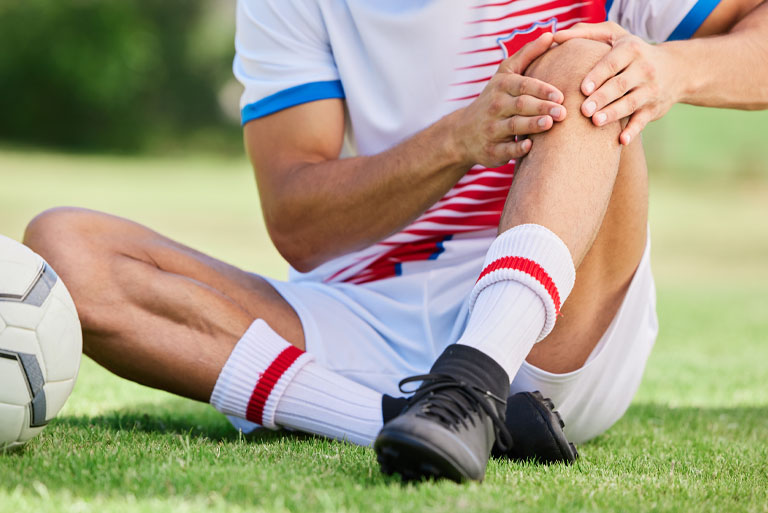
You should visit a sports injury clinic if you experience persistent pain, swelling, or discomfort after physical activity. Ignoring early symptoms can worsen the condition and delay recovery.
Medical attention is necessary if you are unable to move a joint properly, experience instability, or cannot bear weight on the affected area. Recurrent injuries, stiffness, and reduced performance are also warning signs.
Early consultation with a sports injury specialist allows accurate diagnosis and timely intervention, ensuring prevention of worsening of injury, faster healing, and avoidance of long-term complications.
Sports Injury Treatment Options
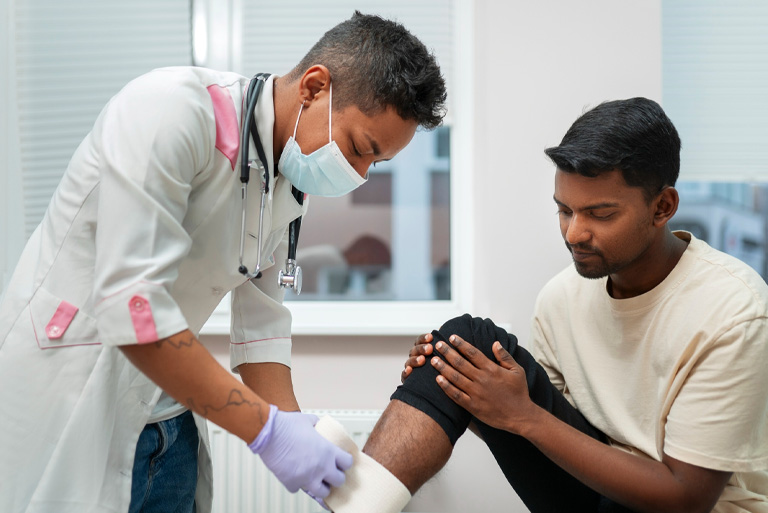
Treatment for sports injuries depends on the severity and type of injury. Mild injuries are usually managed using rest, ice, compression, and elevation (RICE), along with medications to relieve pain and reduce inflammation.
Moderate injuries may require physiotherapy, bracing, or immobilization to promote healing and restore function. Severe injuries, such as ligament tears, fractures, or joint dislocations, may need advanced procedures, like arthroscopy or surgery.
Rehabilitation plays a vital role in recovery, focusing on improving flexibility, strength, and endurance.
Choosing the Right Sports Injury Clinic
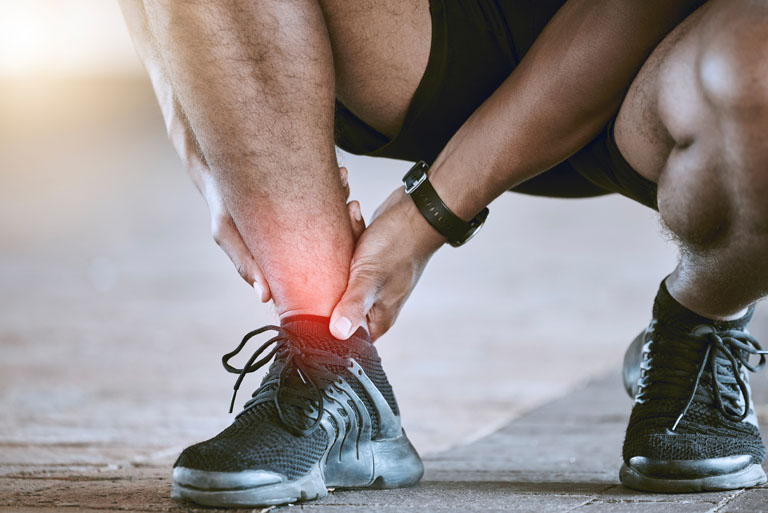
Selecting the right sports injury clinic is important for effective recovery. It is important to choose a clinic with experienced orthopedic specialists and physiotherapists who provide comprehensive care.
The availability of advanced diagnostic facilities, such as X-rays, MRI, and ultrasound, ensures accurate evaluation. The clinic should offer both non-surgical and surgical treatment options under one roof.
Personalized rehabilitation programs, good patient reviews, and strong follow-up support are also important factors to consider when making a choice.




Physiotherapy
Our Physiotherapy treatment could help you become more mobile and make you more comfortable…

Spine Care
We offer a wide variety of treatments for all spine related problems to help you achieve your best health…

Sports Injury & Rehab
We offer complete solutions to Sports related injuries and RSIs through a multi-modal approach…

Arthritis Management
We specialize in diagnosing & treating all types of Arthritis & Joint problems by various Surgical & Non-Surgical treatments..

General Orthopaedic
We specialize in the diagnosis & treatment of all Orthopedic diseases &
conditions..

PEMF Therapy
Our PEMF Therapy helps reduce pain, improve circulation, and support faster healing and recovery…


Dr. Shuaib Kausar
- Specialities:
- Comprehensive Orthopaedic Care
- Trauma & Fracture Management
- Joint Replacement (Arthroplasty)
- Sports Medicine & Sports Injury Treatment
- Arthroscopy Procedures
- Spine Care & Rehabilitation
- Experience:
- Vast clinical experience in Orthopaedics and trauma care
- Successfully treated numerous cases related to arthritis, sports injuries, and spine disorders
- Known for precise diagnosis and patient focused treatment approach
- Works with an experienced physiotherapy team with 30+ years of combined experience for comprehensive orthopaedic rehabilitation and recovery
A sports injury refers to damage caused to muscles, ligaments, tendons, bones, or joints during physical activity or exercise. These injuries may occur suddenly due to trauma or develop gradually due to repetitive stress and overuse.
They range from mild conditions, like sprains and strains, to severe injuries, such as fractures, dislocations, or ligament tears. If left untreated, sports injuries can lead to chronic pain, stiffness, and reduced mobility.
Proper medical care, along with rehabilitation and preventive strategies, is essential for recovery. With the right treatment approach, individuals can regain strength, restore function, and safely return to their normal activities.
Sports injuries can vary widely depending on the activity, intensity, and body mechanics involved. Common types include:
- Sprains: Ligament injuries caused by overstretching or tearing, commonly affecting ankles and knees.
- Strains: Muscle or tendon injuries due to overuse or sudden forceful movements.
- Ligament tears: Injuries like ACL or PCL tears that may require advanced medical or surgical care.
- Tendon injuries: Conditions like tendinitis or tendon rupture caused by repetitive stress.
- Fractures: Breaks in bones, including stress fractures due to repetitive impact.
- Dislocations: Joints forced out of their normal position, usually due to trauma.
- Contusions: Bruising of muscles or soft tissues caused by direct impact or collision.
- Concussions: Mild traumatic brain injuries caused by a blow to the head, affecting brain function.
- Rotator cuff injuries: Shoulder injuries common in overhead sports activities.
- Tennis or golfer’s elbow: Overuse injuries affecting the elbow joint.
- Shin splints: Pain along the shin bone due to repetitive strain.
Different sports place stress on specific body parts, making them more prone to injuries. Some common body parts affected by sports injury include:
- Knees: Highly vulnerable due to weight-bearing and movement stress.
- Shoulders: Affected in throwing or overhead activities.
- Ankles: Commonly injured due to twisting or sudden movements.
- Elbows: Impacted by repetitive arm movements.
- Wrists and hands: Commonly injured during falls or contact sports.
- Hamstrings: Muscle strains due to sudden acceleration or stretching.
- Calf muscles: May be affected during running or jumping activities.
- Lower back: May get injured due to lifting, twisting, or poor posture.
Sports injuries commonly occur due to a combination of physical and environmental factors. Common causes and risk factors include:
- Overuse: Repetitive stress on muscles and joints without adequate rest.
- Sudden impact: Trauma or collisions during sports activities.
- Poor technique: Incorrect form increases strain on the body.
- Lack of warm-up: Muscles are more prone to injury without proper preparation.
- Improper gear: Inadequate footwear or equipment can increase risk.
- Muscle imbalance: Weak or tight muscles lead to uneven stress.
- Fatigue: Reduced coordination and strength increase injury chances.
- Previous injuries: Old injuries can make the body more vulnerable.
Symptoms can vary based on the severity and type of sports injury. Common symptoms may include:
- Pain: Localized or widespread discomfort in the affected area.
- Swelling: Inflammation due to tissue damage.
- Bruising: Discoloration caused by internal bleeding.
- Stiffness: Restricted movement in joints or muscles.
- Weakness: Reduced strength in the injured area.
- Instability: Feeling of looseness in joints.
- Limited mobility: Difficulty performing normal movements.
- Tenderness: Pain on touch or pressure.
Accurate diagnosis is essential to determine the type and severity of a sports injury. At Total Orthocare, a step-by-step approach is used by the best sports injury doctor in Banaswadi to ensure precise evaluation and effective treatment planning. Common diagnostic methods ordered are:
- Medical history: Detailed discussion about the injury and activity level.
- Physical examination: Assessment of pain, swelling, and movement.
- X-rays: Used to detect fractures or bone-related injuries.
- MRI scan: Provides detailed imaging of ligaments and soft tissues.
- Ultrasound: Helps evaluate soft tissue injuries in real time.
- CT scan: Used for complex injuries requiring detailed imaging.
- Arthroscopy: A minimally invasive procedure to examine joint conditions.
Total Orthocare is a trusted choice for treatment of sports injury in Banaswadi, where treatment focuses on pain relief, healing, and long-term recovery. This comprehensive approach is tailored based on the type and severity of the injury to ensure the best possible outcomes. Common treatments recommended include:
- Rest and protection: Limiting movement of the injured area can prevent further damage and promote natural healing.
- RICE therapy: Use of rest, ice, compression, and elevation is suggested to reduce pain, swelling, and inflammation in the early stages.
- Medications: Anti-inflammatory medications and pain relievers are prescribed to manage discomfort and support recovery.
- Physiotherapy: Structured rehabilitation programs help restore strength, flexibility, balance, and joint function.
- Bracing and immobilization: Use of braces, splints, or casts help stabilize the affected area and ensure proper healing.
- Injection therapy: Advanced options, like PRP (platelet-rich plasma) or steroid injections, can reduce inflammation and enhance tissue repair.
- Arthroscopy: Minimally invasive procedures are used to diagnose and treat joint injuries with smaller incisions and quicker recovery.
- Surgical treatment: May be required in severe cases, such as ligament tears, fractures, or joint instability, ensuring proper repair and alignment.
- Rehabilitation programs: Gradual, supervised return-to-activity plans and exercise programs help rebuild strength and prevent re-injury.
- Injury prevention guidance: Education on proper techniques, exercises, and lifestyle modifications is provided to avoid future injuries.
Proper aftercare is essential to ensure complete healing and prevent recurrence of injury. Recovery period includes:
- Physiotherapy plan: Structured exercises help regain strength and mobility.
- Gradual return to activity: Safe return to sports can be done under expert guidance.
- Lifestyle changes: Certain adjustments help reduce strain on affected areas.
- Follow-up care: Regular monitoring is suggested to track the recovery progress.
- Home exercises: Training is provided for continued strengthening and flexibility routines at home.
- Injury prevention: Education is given on proper techniques and precautions to avoid injuries.
Although sports injury treatments are generally safe, certain risks may be involved depending on the procedure. These risks may include:
- Infection: Especially in surgical treatments.
- Delayed healing: Recovery may take longer in some cases.
- Pain and stiffness: Temporary discomfort may be noticed after treatment.
- Re-injury: Possible if rehabilitation is not followed properly.
- Surgical complications: Rare risks related to procedures or anesthesia.
- Reduced mobility: Incomplete recovery may affect function.
The sports injury treatment cost in Banaswadi varies depending on multiple factors, including the severity of the injury and the type of treatment required. Common factors that affect the cost include:
- Consultation fees: Charges for specialist evaluation.
- Diagnostic tests: Cost of X-rays, MRI, or other imaging.
- Treatment type: Non-surgical or surgical procedures.
- Physiotherapy sessions: Number and duration of sessions.
- Medications: Cost of prescribed drugs.
- Hospital stay: Charges in case of surgery.
- Technology used: Advanced procedures may increase cost.
- Follow-up visits: Post-treatment care expenses.
Total Orthocare offers affordable sports injury treatments while ensuring the highest quality of care for each patient.
At Total Orthocare, sports injury treatment is led by Dr. Shuaib Kausar, a highly experienced orthopedic specialist known for his expertise in managing a wide range of sports-related injuries.
He has extensive experience in treating conditions such as ligament tears, tendon injuries, fractures, and joint instability with a strong focus on accurate diagnosis and individualized care.
Dr. Shuaib Kausar follows a patient-centric approach, combining non-surgical treatments, like physiotherapy and medications, with advanced surgical techniques, when necessary. His treatment plans are designed to ensure faster recovery, minimize pain, and restore full function.
He also emphasizes structured rehabilitation and long-term prevention strategies, helping patients safely return to their daily activities or sports. With his commitment to quality care and consistent patient outcomes, he is considered the best sports injury specialist in Banaswadi.
Sports injuries can significantly impact daily life by causing pain, limiting movement, and affecting overall performance. Whether it is a minor strain or a serious ligament injury, delaying treatment can lead to chronic pain and long-term complications.
At Total Orthocare, patients receive comprehensive care that addresses both immediate symptoms and long-term recovery. The clinic combines accurate diagnosis, advanced treatment techniques, and structured rehabilitation programs to ensure complete healing.
With a patient-focused approach, Total Orthocare helps individuals regain strength, restore mobility, and safely return to their active lifestyle, making it the top sports injury clinic in Banaswadi.
Total Orthocare offers comprehensive and patient-focused care for all types of sports injuries, ensuring faster recovery and long-term results with a strong track record of clinical excellence. Key reasons for choosing Total Orthocare to undergo sports injury treatment in Banaswadi include:
- Expert team: Skilled orthopedic specialists and physiotherapists ensure accurate diagnosis and effective treatment.
- 20+ years of experience: Extensive expertise in orthopedic and sports injury management.
- 10K+ patients treated: Strong track record of successful outcomes across various conditions.
- 94% positive feedback: High patient satisfaction reflecting quality care and trust.
- Advanced diagnostics: Modern imaging tools provide a precise evaluation of injuries.
- Personalized care: Customized treatment plans based on individual needs and injury severity.
- Non-surgical care: Focus on medications and physiotherapy for mild to moderate conditions.
- Surgical expertise: Advanced procedures for complex injuries when required.
- Rehabilitation focus: Structured programs to restore strength, flexibility, and mobility.
- Minimally invasive procedures: Faster recovery with less discomfort using modern techniques.
- Holistic care: Focus on prevention, treatment, and long-term wellness.
- Continuous support: Regular follow-ups ensure proper healing and reduce recurrence.
- Affordable care: Transparent and cost-effective treatment options.
Obstetrics & Gynaecology
Obstetrics & Gynaecology
Obstetrics & Gynaecology
Obstetrics & Gynaecology
Obstetrics & Gynaecology
GOODTrustindex verifies that the original source of the review is Google. Doctor is kind, gentle, very helpful,..physiotherapy is really, honestly good, excellent, recommendedPosted on GoogleTrustindex verifies that the original source of the review is Google. Very conservative doctor. Very soft. Empathetic. Highly recommended. Excellent at diagnosing the issue.Posted on GoogleTrustindex verifies that the original source of the review is Google. Concerned therapist and quick service. Physiotherapist helped me understand the issue and explained every detail which helped me take care of my problem and make changes to my routine to recover better.Posted on GoogleTrustindex verifies that the original source of the review is Google. Treatment was good and pain got better after few visit of physio.Dr Anusha physiotherapist has done a good job.Posted on GoogleTrustindex verifies that the original source of the review is Google. I had a good overall experience. The treatment was effective, and I noticed a significant improvement in my back pain. The care provided made a real difference, and I’m feeling much better now.Posted on GoogleTrustindex verifies that the original source of the review is Google. I have been visiting the doctor over the last 2 years. Doctor is very knowledgeable and prescribes precise treatment for the identified condition. They have their own physio section as well which was also effective. I would suggest this doctor for anyone with Ortho treatment requirements.
Although not all sports injuries can be prevented, the risk can be reduced with proper warm-up, stretching, and correct technique. Using appropriate equipment and maintaining good fitness levels also helps protect muscles and joints during physical activity.
Anyone experiencing pain or injury related to physical activity should visit a sports injury clinic. This includes athletes, fitness enthusiasts, and even individuals with active lifestyles or repetitive strain injuries affecting muscles, joints, or ligaments.
Most sports injury treatments aim to reduce pain and discomfort. Some procedures or physiotherapy sessions may cause mild temporary discomfort, but they are necessary for healing. Doctors ensure patient comfort and adjust treatments accordingly.
Yes, most patients can return to sports after completing recommended treatment and rehabilitation. The clinic provides guidance on gradual return and preventive measures. Following medical advice helps ensure safe performance and reduces the risk of re-injury.
Recovery time depends on the type and severity of the sports injury. Minor injuries may heal within a few weeks, while more serious conditions can take months. Following the treatment plan and rehabilitation program is essential for safe and complete recovery.
If you suddenly get a sports injury, follow the RICE method (rest, ice, compression, and elevation) to reduce pain and swelling. Avoid stressing the injured area. If symptoms persist or worsen, seek medical care to prevent complications and ensure proper healing.
