
Best ACL Reconstruction Surgery in Banaswadi
Best ACL Reconstruction Surgery in Banaswadi
What is ACL Reconstruction Surgery?
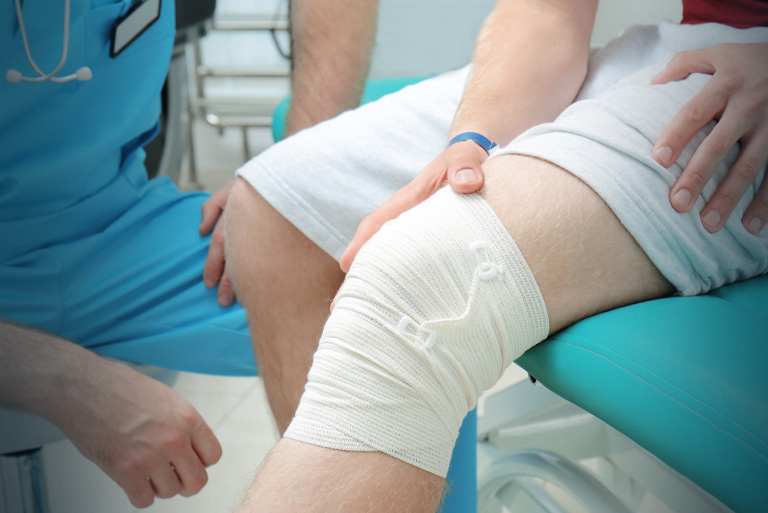
ACL reconstruction surgery is a minimally invasive orthopaedic procedure performed to repair a torn anterior cruciate ligament (ACL), an important ligament responsible for maintaining knee stability during movement.
During the procedure, the damaged ligament is replaced with a graft taken from the patient’s own tendon or from a donor tendon to restore knee stability, strength, and function. Using advanced arthroscopic techniques and small incisions, surgeons can perform the operation with greater precision, less tissue damage, and a faster recovery.
ACL reconstruction is commonly recommended for patients with sports-related injuries, knee instability, complete or significant ACL tears, recurrent knee buckling, and ligament injuries caused by sudden twisting movements or high-impact trauma.
When is ACL Reconstruction Surgery Recommended?
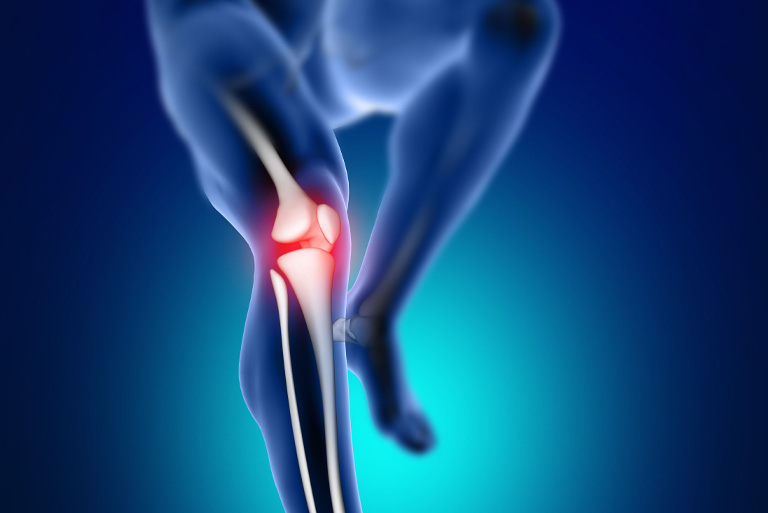
ACL reconstruction surgery may be recommended when knee pain, swelling, instability, or repeated buckling does not improve with conservative treatments such as medications, physiotherapy, bracing, rest, or activity modification.
It is commonly advised for complete or severe ACL tears, sports-related knee injuries, combined ligament injuries, meniscus tears, and difficulty performing daily activities due to knee instability.
Athletes and physically active individuals who wish to return to sports often benefit from ACL reconstruction surgery. Clinical examination, MRI scans, and other diagnostic investigations are used to confirm the injury and determine whether surgical reconstruction is the most appropriate treatment option.
ACL Reconstruction Surgery at a Glance
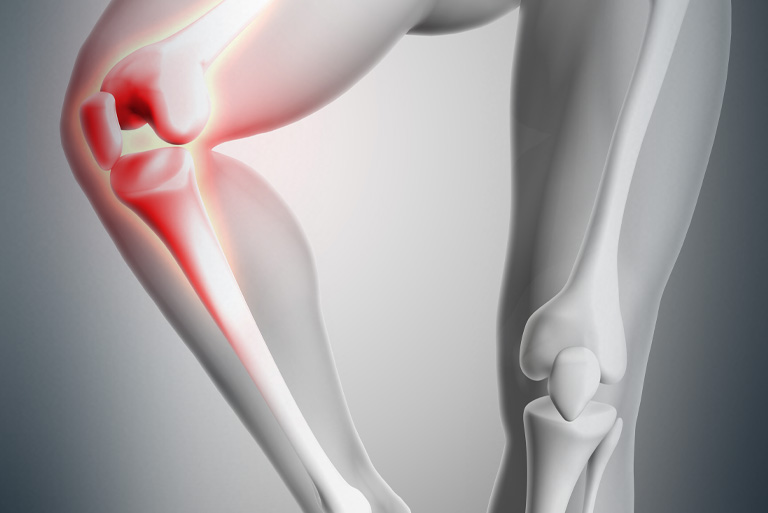
ACL reconstruction is commonly performed as a minimally invasive arthroscopic ACL surgery under regional or general anaesthesia. During the procedure, the damaged ACL is replaced with a tendon graft to restore knee stability, strength, and function.
Using advanced arthroscopic instruments, the surgeon performs the reconstruction through small incisions with high precision. Associated meniscus or cartilage injuries can also be treated during the same procedure when required.
Compared with traditional open surgery, most patients experience less post-operative pain, smaller scars, a shorter hospital stay, and faster rehabilitation. Recovery timelines vary depending on the severity of the injury, the type of graft used, and adherence to the rehabilitation programme.
Choosing the Right Clinic for ACL Reconstruction Surgery
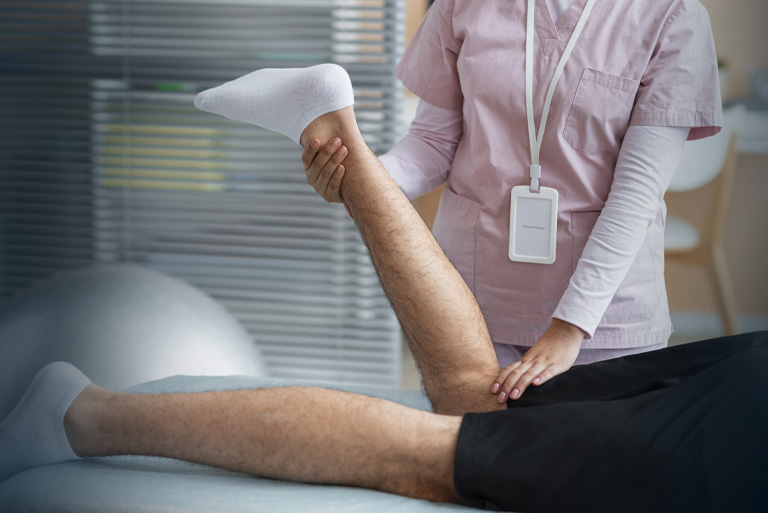
Selecting the right clinic for ACL reconstruction surgery plays an important role in recovery and long-term knee function. Patients should consider factors such as the expertise of the orthopaedic surgeon, the availability of advanced arthroscopic technology, rehabilitation support, infection control standards, and personalized post-operative care.
Choosing a centre with an experienced sports injury specialist can be especially beneficial for athletes and physically active individuals recovering from ligament injuries.
A comprehensive orthopaedic centre that provides diagnosis, surgery, physiotherapy, and long-term follow-up under one roof can help ensure a smoother treatment experience, effective rehabilitation, and a safe return to sports and everyday activities.




Physiotherapy
Our Physiotherapy treatment could help you become more mobile and make you more comfortable…

Spine Care
We offer a wide variety of treatments for all spine related problems to help you achieve your best health…

Sports Injury & Rehab
We offer complete solutions to Sports related injuries and RSIs through a multi-modal approach…

Arthritis Management
We specialize in diagnosing & treating all types of Arthritis & Joint problems by various Surgical & Non-Surgical treatments..

General Orthopaedic
We specialize in the diagnosis & treatment of all Orthopedic diseases &
conditions..

PEMF Therapy
Our PEMF Therapy helps reduce pain, improve circulation, and support faster healing and recovery…


Dr. Shuaib Kausar
- Specialities:
- Comprehensive Orthopaedic Care
- Trauma & Fracture Management
- Joint Replacement (Arthroplasty)
- Sports Medicine & Sports Injury Treatment
- Arthroscopy Procedures
- Spine Care & Rehabilitation
- Experience:
- Vast clinical experience in Orthopaedics and trauma care
- Successfully treated numerous cases related to arthritis, sports injuries, and spine disorders
- Known for precise diagnosis and patient focused treatment approach
- Works with an experienced physiotherapy team with 30+ years of combined experience for comprehensive orthopaedic rehabilitation and recovery
ACL injuries can significantly affect mobility, balance, and physical performance, often causing knee pain, swelling, instability, and difficulty with walking, running, or participating in sports. If left untreated, a torn ACL can increase the risk of recurrent knee injuries, meniscus damage, and long-term joint degeneration.
Modern ACL reconstruction techniques use minimally invasive arthroscopic surgery to restore knee stability while minimizing tissue damage, reducing post-operative discomfort, and promoting faster recovery.
Combined with structured rehabilitation and physiotherapy, these advanced procedures help patients regain strength, restore confidence in movement, return safely to daily activities and sports, and achieve improved long-term knee function and overall quality of life.
Different types of ACL reconstruction surgeries are performed depending on the severity of the ligament injury, the patient’s activity level, associated knee injuries, and graft preference. Total Orthocare offers advanced arthroscopic ACL reconstruction techniques tailored to restore knee stability, function, and long-term mobility.
- Hamstring Tendon Graft ACL Reconstruction: This commonly performed procedure uses tendons from the patient’s hamstrings to reconstruct the torn ACL. It offers smaller incisions, reduced post-operative pain, and excellent long-term knee stability.
- Patellar Tendon Graft ACL Reconstruction: This technique uses the middle portion of the patellar tendon as the graft. It is often preferred for athletes and highly active individuals because of its strong fixation and durability.
- Quadriceps Tendon Graft ACL Reconstruction: A portion of the quadriceps tendon is used to reconstruct the ACL. This option may be recommended for patients requiring a larger graft or those undergoing revision surgery.
- Revision ACL Reconstruction Surgery: Revision ACL reconstruction may be required if a previous ACL surgery fails due to re-injury, graft failure, or persistent knee instability. Advanced arthroscopic techniques help restore knee function and stability.
- Combined ACL Reconstruction and Meniscus Repair: Patients with ACL tears may also have associated meniscus injuries. In such cases, ACL reconstruction and meniscus repair can be performed during the same arthroscopic procedure to improve joint preservation and support better long-term recovery.
ACL reconstruction surgery offers several advantages for patients experiencing knee instability, ligament tears, and sports-related injuries. Modern arthroscopic ACL reconstruction techniques restore knee stability and function while minimizing tissue damage, reducing post-operative discomfort, and supporting a faster recovery compared with traditional open surgery.
Key benefits of ACL reconstruction surgery include:
- Restoration of knee stability.
- Improved joint function and mobility.
- Smaller surgical incisions.
- Reduced tissue trauma.
- Less post-operative pain.
- Lower risk of complications and infection.
- Faster rehabilitation and recovery.
- Earlier return to sports and physical activities.
- Improved knee strength and confidence during movement.
- Long-term protection against recurrent knee instability.
These benefits make ACL reconstruction an effective treatment option for athletes and physically active individuals seeking a safe recovery, improved knee performance, and a successful return to everyday activities and sports.
Proper preparation before ACL reconstruction surgery helps improve surgical safety, recovery, and rehabilitation outcomes. Patients typically undergo a comprehensive orthopaedic evaluation, imaging studies, and a medical assessment before the procedure.
Preparation before ACL reconstruction surgery may include:
- Orthopaedic consultation and detailed knee examination.
- MRI scans, X-rays, or other imaging investigations.
- Blood tests and routine pre-operative investigations, if required.
- Review of current medications, medical history, and allergies.
- Pre-anaesthesia assessment to ensure fitness for surgery.
- Guidance regarding fasting before the procedure.
- Discussion of the surgical procedure, rehabilitation plan, and expected recovery timeline.
Patients may also receive instructions on temporarily stopping certain medications, arranging post-operative support at home, and preparing for physiotherapy and mobility rehabilitation following surgery.
ACL reconstruction is a minimally invasive arthroscopic procedure performed to restore knee stability and function following an ACL injury. At Total Orthocare, the surgery is carried out using advanced arthroscopic techniques and specialized surgical instruments to ensure precision and optimal outcomes.
Step 1: Anaesthesia
The procedure is performed under spinal, regional, or general anaesthesia, depending on the patient’s medical condition and surgical requirements.
Step 2: Small Incisions
Small incisions are made around the knee to allow the insertion of the arthroscope and specialised surgical instruments.
Step 3: Arthroscope Insertion
A high-definition arthroscope (a small camera) is inserted into the knee joint, providing clear images on a monitor to guide the surgeon throughout the procedure.
Step 4: Removal of the Damaged ACL
The torn ACL tissue is carefully removed, and the knee is thoroughly examined for associated injuries, such as meniscus tears or cartilage damage.
Step 5: Graft Placement and ACL Reconstruction
A tendon graft, obtained either from the patient’s own tissue or a donor, is positioned and securely fixed within the knee to reconstruct the ACL and restore joint stability.
Step 6: Closure
The small incisions are closed using sutures or adhesive strips and covered with sterile dressings before the patient is transferred to the recovery area.
Most ACL reconstruction procedures are completed within one to two hours, depending on the severity of the injury and whether additional procedures, such as meniscus repair, are performed.
ACL reconstruction surgery is generally considered a safe and highly effective procedure, particularly when performed by an experienced orthopaedic and sports injury specialist. However, as with any surgical procedure, there are potential risks and complications that patients should be aware of.
Possible complications of ACL reconstruction surgery include:
- Infection.
- Bleeding.
- Blood clots.
- Knee stiffness.
- Swelling and post-operative pain.
- Graft failure or re-injury.
- Temporary nerve irritation or numbness.
- Reduced range of knee motion.
- Delayed wound healing.
- Anaesthesia-related complications.
Most patients achieve an excellent recovery with appropriate post-operative care, structured rehabilitation, and guided physiotherapy following arthroscopic ACL reconstruction surgery.
The cost of ACL reconstruction surgery in Banaswadi varies depending on the severity of the ligament injury, the type of graft used, the surgical technique, associated knee injuries, and the rehabilitation required. Procedures involving meniscus repair, cartilage restoration, or revision ACL reconstruction may increase the overall treatment cost.
Estimated ACL Reconstruction Surgery Cost in Banaswadi
| Procedure | Estimated Cost Range (INR) |
| Arthroscopic ACL Reconstruction | ₹80,000 – ₹2,50,000+ |
| ACL Reconstruction with Meniscus Repair | ₹1,00,000 – ₹3,00,000+ |
| Revision ACL Reconstruction Surgery | ₹1,50,000 – ₹3,50,000+ |
The final cost depends on the patient’s clinical condition, the complexity of the procedure, the graft and implants used, hospital facilities, and the post-operative rehabilitation plan.
Factors Affecting the Cost of ACL Reconstruction Surgery
Recovery after ACL reconstruction surgery varies depending on the severity of the ligament injury, associated meniscus or cartilage damage, overall health, and rehabilitation progress. Most patients recover gradually with the help of structured physiotherapy and guided rehabilitation programmes.
Compared with traditional open procedures, arthroscopic ACL reconstruction typically results in less post-operative pain, smaller scars, and faster functional recovery. While many patients resume routine daily activities within a few weeks, complete recovery and a safe return to sports usually require several months of rehabilitation to restore knee strength, flexibility, balance, and long-term stability.
ACL Reconstruction Surgery Recovery Timeline
| Procedure | Normal Recovery Time | Return to Daily Activities | Return to Sports / Heavy Activity |
| Arthroscopic ACL Reconstruction | 6–9 Months | 2–6 Weeks | 6–12 Months |
| ACL Reconstruction with Meniscus Repair | 6–9 Months | 3–6 Weeks | 6–12 Months |
| Revision ACL Reconstruction Surgery | 9–12 Months | 4–8 Weeks | 9–12 Months |
| Partial ACL Injury Rehabilitation | 2–4 Months | 1–3 Weeks | 3–6 Months |
Recovery Tips
- Follow all post-operative instructions carefully.
- Attend scheduled follow-up appointments.
- Take medications exactly as prescribed.
- Gradually increase physical activity as advised by your surgeon.
- Avoid strenuous activities until medically cleared.
- Use a knee brace or support if recommended.
- Participate consistently in guided rehabilitation programmes.
- Maintain regular physiotherapy after ACL surgery to restore strength, mobility, balance, and long-term knee stability.
Proper rehabilitation and physiotherapy after ACL surgery play a vital role in restoring knee function, improving mobility, and supporting a safe return to sports and everyday activities.
Dr. Shuaib Kausar is an experienced orthopaedic and sports injury specialist at Total Orthocare, with expertise in arthroscopic ACL reconstruction, ligament repair, knee injuries, and sports-related orthopaedic conditions.
Recognized as a trusted ACL reconstruction surgeon in Banaswadi, he has over two decades of clinical experience in diagnosing and treating complex knee ligament injuries using advanced, minimally invasive arthroscopic techniques.
His treatment approach emphasizes accurate diagnosis, personalized surgical planning, evidence-based care, and comprehensive rehabilitation. Through structured physiotherapy and post-operative guidance, he helps patients regain knee stability, restore mobility, and confidently return to daily activities, work, and sports.
Total Orthocare provides comprehensive ACL reconstruction surgery in Banaswadi using advanced arthroscopic techniques and individualized rehabilitation programmes. The focus is on restoring knee stability, improving mobility, and supporting a faster recovery while promoting long-term joint health and function.
Reasons patients choose Total Orthocare include:
- More than 2 decades of orthopaedic experience.
- Over 10,000 patients treated.
- More than 94% positive patient feedback.
- Expertise in arthroscopic ACL reconstruction and sports injury care.
- Personalized treatment and rehabilitation plans.
- Advanced knee evaluation and diagnostic support.
- Minimally invasive ligament reconstruction procedures.
- Comprehensive treatment for ACL tears, meniscus injuries, and knee instability.
- Structured physiotherapy and rehabilitation support.
- Focus on faster recovery and a safe return to sports.
- Patient-centred, evidence-based orthopaedic care.
- Complete care from diagnosis through recovery.
Experiencing a knee, ligament, or sports-related injury? Consult the specialists at Total Orthocare to determine whether ACL reconstruction surgery is the right treatment option for you.
Obstetrics & Gynaecology
Obstetrics & Gynaecology
Obstetrics & Gynaecology
Obstetrics & Gynaecology
Obstetrics & Gynaecology
GOODTrustindex verifies that the original source of the review is Google. Doctor is kind, gentle, very helpful,..physiotherapy is really, honestly good, excellent, recommendedPosted on GoogleTrustindex verifies that the original source of the review is Google. Very conservative doctor. Very soft. Empathetic. Highly recommended. Excellent at diagnosing the issue.Posted on GoogleTrustindex verifies that the original source of the review is Google. Concerned therapist and quick service. Physiotherapist helped me understand the issue and explained every detail which helped me take care of my problem and make changes to my routine to recover better.Posted on GoogleTrustindex verifies that the original source of the review is Google. Treatment was good and pain got better after few visit of physio.Dr Anusha physiotherapist has done a good job.Posted on GoogleTrustindex verifies that the original source of the review is Google. I had a good overall experience. The treatment was effective, and I noticed a significant improvement in my back pain. The care provided made a real difference, and I’m feeling much better now.Posted on GoogleTrustindex verifies that the original source of the review is Google. I have been visiting the doctor over the last 2 years. Doctor is very knowledgeable and prescribes precise treatment for the identified condition. They have their own physio section as well which was also effective. I would suggest this doctor for anyone with Ortho treatment requirements.
Partial ACL injuries may sometimes improve with rest, bracing, and physiotherapy, but complete ACL tears usually do not heal naturally. Individuals with persistent knee instability, active lifestyles, or sports-related injuries commonly require ACL reconstruction surgery to restore proper knee function and prevent further joint damage.
ACL reconstruction is usually performed using arthroscopic techniques, where surgeons use small incisions and a camera-guided system to replace the damaged ligament with a tendon graft. This minimally invasive method improves surgical precision, reduces tissue trauma, and supports faster postoperative recovery and rehabilitation.
Most patients can begin walking with support, braces, or crutches within a few days after ACL reconstruction surgery. The timeline depends on the patient’s recovery progress, pain levels, and rehabilitation plan. Physiotherapy plays an important role in gradually restoring strength, balance, and knee mobility.
After ACL surgery, patients are usually advised to avoid high-impact activities, sudden twisting movements, heavy lifting, and sports until the knee has healed properly. Following rehabilitation guidelines carefully helps protect the reconstructed ligament and reduces the risk of reinjury during recovery.
Yes, physiotherapy after ACL surgery plays a vital role in recovery and long-term knee function. Structured rehabilitation helps restore strength, flexibility, balance, and joint stability while reducing the risk of stiffness or re-injury. Regular physiotherapy also supports a safer return to sports and daily activities.
