
Best Hip Treatment In Banaswadi | Total Orthocare
Best Hip Replacement in Banaswadi

What is Hip Replacement Surgery?
Hip replacement surgery, also known as hip arthroplasty, is a procedure in which a damaged or worn-out hip joint is replaced with an artificial implant.
The hip joint, a ball-and-socket structure, plays a key role in movement and weight-bearing.
When this joint is affected by conditions like arthritis, fractures, or degeneration, it can cause severe pain and restricted mobility.
Hip replacement helps restore smooth joint function, reduce discomfort, and improve overall quality of life when non-surgical treatments fail to provide relief.
Ideal Candidates for Hip Replacement Surgery

Hip replacement surgery is suitable for individuals experiencing persistent hip pain and limited mobility that does not improve with medications or physiotherapy.
Ideal candidates include patients with severe osteoarthritis, rheumatoid arthritis, hip fractures, or osteonecrosis. Those who find it difficult to perform daily activities like walking, standing, or climbing stairs may benefit from the procedure.
Additionally, the right candidates should generally be in stable health and capable of undergoing surgery and rehabilitation.
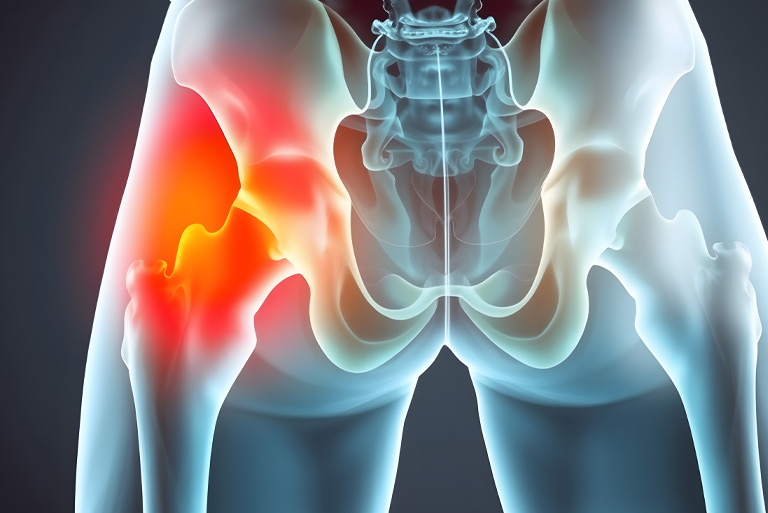
Hip Replacement Surgery Procedure at a Glance
Hip replacement surgery involves removing damaged bone and cartilage from the hip joint and replacing them with artificial components. The procedure is performed under spinal or general anesthesia to ensure patient comfort.
The surgeon makes an incision, prepares the joint, and inserts a prosthetic socket into the pelvic bone and a stem with a ball into the thigh bone.
The components are designed to mimic natural joint movement.
The surgery usually takes one to two hours, followed by monitoring and early physiotherapy to support recovery and restore mobility.
Choosing the Right Center for Hip Replacement

Selecting the right center for hip replacement surgery is important for achieving safe and successful outcomes. Patients should consider factors such as the experience of orthopedic surgeons, availability of advanced surgical technology, and quality of hospital infrastructure.
A center offering personalized treatment plans, strict infection control measures, and comprehensive rehabilitation support ensures better recovery. Transparent pricing, patient-focused care, and consistent follow-up are also important.
Choosing a trusted facility like Total Orthocare can help ensure accurate diagnosis, effective treatment, and long-term improvement in mobility.




Physiotherapy
Our Physiotherapy treatment could help you become more mobile and make you more comfortable…

Spine Care
We offer a wide variety of treatments for all spine related problems to help you achieve your best health…

Sports Injury & Rehab
We offer complete solutions to Sports related injuries and RSIs through a multi-modal approach…

Arthritis Management
We specialize in diagnosing & treating all types of Arthritis & Joint problems by various Surgical & Non-Surgical treatments..

General Orthopaedic
We specialize in the diagnosis & treatment of all Orthopedic diseases &
conditions..

PEMF Therapy
Our PEMF Therapy helps reduce pain, improve circulation, and support faster healing and recovery…


Dr. Shuaib Kausar
- Specialities:
- Comprehensive Orthopaedic Care
- Trauma & Fracture Management
- Joint Replacement (Arthroplasty)
- Sports Medicine & Sports Injury Treatment
- Arthroscopy Procedures
- Spine Care & Rehabilitation
- Experience:
- Vast clinical experience in Orthopaedics and trauma care
- Successfully treated numerous cases related to arthritis, sports injuries, and spine disorders
- Known for precise diagnosis and patient focused treatment approach
- Works with an experienced physiotherapy team with 30+ years of combined experience for comprehensive orthopaedic rehabilitation and recovery
Total Orthocare is recognized for offering reliable and advanced hip replacement surgery with a strong focus on patient outcomes, safety, and long-term mobility. The clinic combines modern technology with expert orthopedic care to deliver consistent and predictable results for every patient. Key reasons for choosing us include:
- Advanced infrastructure: The center is equipped with modular operation theatres, laminar airflow systems, advanced digital imaging, and strict infection-control protocols to ensure precision and safety during surgery.
- Expert orthopedic team: The clinic has highly experienced surgeons with expertise in simple and complex joint replacement procedures.
- Latest surgical techniques: The center uses minimally invasive approaches, computer-assisted surgery, and high-quality implants for better accuracy, reduced tissue damage, and faster recovery.
- Personalized care: Individual treatment plans are designed based on age, lifestyle, severity of condition, and overall health status.
- Comprehensive rehabilitation: Dedicated physiotherapy programs are offered, focusing on strength, flexibility, and gradual return to daily activities.
- Proven success rates: The center has 94%+ success rate with 10,000+ patients treated, reflecting trust and consistent clinical outcomes.
- Patient-focused approach: Continuous guidance from consultation, surgery, and rehabilitation to long-term follow-up is provided.
- 20+ years of experience: The center has a strong track record in orthopedic excellence, patient satisfaction, and ethical medical practices.
Hip replacement surgery is recommended for individuals who experience persistent hip pain and mobility issues that do not improve with medications or physiotherapy. A detailed evaluation by a qualified hip replacement surgeon, including imaging tests and physical assessment, helps determine the suitability for surgery.
Common conditions in which the procedure is recommended include::
- Severe arthritis cases: Patients with osteoarthritis or rheumatoid arthritis, causing cartilage damage, pain, and stiffness.
- Hip fractures or injuries: Individuals with fractures or trauma that impair joint function and mobility.
- Osteonecrosis patients: Those suffering from reduced blood supply to the hip bone, leading to joint collapse.
- Difficulty in movement: Patients experiencing pain while walking, standing, sitting, or climbing stairs.
- Chronic stiffness: Limited range of motion affecting flexibility and overall joint function.
- Failed conservative treatment: Individuals who do not respond to medications, injections, or physiotherapy.
- Impact on daily life: Patients unable to perform routine activities or experiencing disturbed sleep due to pain.
- General health suitability: Candidates with stable medical conditions and adequate bone strength for surgery.
The type of hip replacement surgery performed depends on the age of the patient, severity of joint damage, activity level, and bone quality. The various types of hip replacement surgeries include:
Total Hip Replacement
In this procedure, both the ball (femoral head) and socket (acetabulum) of the hip joint are replaced with artificial components. It is the most commonly performed hip replacement surgery and is ideal for patients with advanced arthritis, severe cartilage damage, or joint degeneration. This procedure provides long-term pain relief, improves mobility, and helps restore normal joint function effectively.
Partial Hip Replacement
Also known as hemiarthroplasty, this surgery replaces only the femoral head while preserving the natural hip socket. It is usually recommended for elderly patients with specific hip fractures where the socket remains unaffected. Compared to total replacement, it is less extensive and may involve a shorter surgery time and relatively quicker initial recovery in suitable patients.
Hip Resurfacing
Instead of removing the entire femoral head, it is reshaped and covered with a smooth metal cap, preserving more of the natural bone. This option is generally suitable for younger, active individuals with good bone quality. It allows better joint stability and supports a higher level of physical activity after recovery compared to traditional replacement procedures.
Revision Hip Replacement
This surgery is performed when a previous hip implant fails due to wear, loosening, infection, or dislocation. It involves removing the old implant and replacing it with a new one. Revision surgery is more complex than primary procedures and requires advanced planning, specialized implants, and experienced surgical expertise for successful outcomes.
At Total Orthocare, a structured and patient-focused approach is used by the best hip replacement surgeon in Banaswadi to ensure safety, precision, and successful outcomes. Each step is carefully planned to minimize risks and promote faster recovery. The various steps involved in the procedure include:
- Initial consultation: The orthopedic specialist evaluates symptoms, medical history, lifestyle factors, and performs a physical examination.
- Diagnostic assessment: X-rays, blood tests, and MRI scans are conducted to assess joint damage and overall health.
- Pre-surgical preparation: The patient receives guidance on medications, fasting, weight management, and lifestyle changes, like quitting smoking before surgery.
- Anesthesia administration: Surgery is performed under spinal or general anesthesia for complete comfort.
- Surgical procedure: A precise incision is made, damaged bone and cartilage are removed, and artificial components are implanted.
- Implant placement: The prosthetic socket is fixed into the pelvic bone, and a metal stem with a ball is inserted into the thigh bone.
- Closure and monitoring: Incision is closed securely with sutures, and the patient is monitored in recovery.
- Post-operative care: Early physiotherapy begins, with gradual mobility improvement over weeks.
The surgery usually takes one to two hours, and most patients regain mobility within 6 to 12 weeks with proper rehabilitation and follow-up care.
Undergoing hip replacement in Banaswadi at Total Orthocare offers significant improvements in both physical function and overall quality of life. Key benefits of the procedure include:
- Pain relief: Eliminates chronic hip pain, allowing patients to live comfortably without constant discomfort.
- Improved mobility: Restores joint function, making walking, standing, and movement easier and smoother.
- Better quality of life: Enables return to daily activities, hobbies, and social life without limitations.
- Long-term durability: Modern implants are designed to last for many years with proper care and follow-up.
- Enhanced independence: Reduces reliance on walking aids, like canes or walkers, over time.
- Expert supervision: Procedures are performed by skilled surgeons, ensuring safety and precision.
- Personalized recovery plans: Tailored physiotherapy programs help speed up healing and improve strength.
- Comprehensive care: Continuous support is provided, including diagnosis, surgery, rehabilitation, and long-term follow-up.
- Improved quality of life: Overall, the patient experiences a significant improvement in comfort, confidence, and mobility, helping in regaining an active and independent lifestyle.
The hip replacement surgery cost in Banaswadi generally varies between INR 1,50,000 to INR 5,00,000. The cost, however, varies depending on several medical and non-medical factors. The various factors that determine the hip replacement cost in Banaswadi include:
- Type of procedure: Total, partial, or revision surgery significantly impacts the overall cost.
- Implant quality: The material, brand, and durability of the implant used play a major role in cost.
- Surgeon expertise: Highly experienced surgeons may have higher consultation and surgical charges, but also ensure better quality of care.
- Hospital facilities: Advanced infrastructure, operation theatre setup, and care standards affect pricing.
- Pre-surgery expenses: Diagnostic tests, consultations, and medical evaluations add to the cost of surgery.
- Hospital stay: Duration of admission and level of care required influence expenses.
- Medications and consumables: The cost of drugs, surgical materials, and post-operative care items impacts the total pricing.
- Rehabilitation costs: Physiotherapy sessions and recovery programs after surgery increase the total treatment cost.
- Additional conditions: Existing health issues in the patient or complications may increase the overall treatment cost.
Total Orthocare ensures transparent pricing and provides guidance on insurance coverage and flexible payment options, making hip replacement surgery accessible for most patients.
Total Orthocare is led by highly experienced orthopedic specialists who are known for their expertise in performing advanced hip replacement surgeries with precision and care.
The team is spearheaded by Dr. Shuaib Kausar, a skilled orthopedic surgeon, who brings extensive clinical experience in managing joint disorders, trauma cases, and complex orthopedic conditions. His approach focuses on accurate diagnosis, detailed pre-surgical planning, and the use of modern surgical techniques to ensure optimal outcomes for patients undergoing hip replacement surgery.
With a strong specialization in joint replacement procedures, he emphasizes restoring mobility, reducing chronic pain, and improving overall quality of life. The treatment approach is patient-centric, where every individual receives personalized care based on their medical history, lifestyle, and recovery goals.
In addition to surgical excellence, the team ensures comprehensive post-operative care supported by experienced physiotherapists, enabling faster and safer recovery. The commitment to ethical practices, transparent communication, and long-term follow-up care has helped build trust among patients.
With a focus on safety, precision, and consistent results, Total Orthocare stands out as a reliable choice for those seeking the best hip replacement in Banaswadi under expert care.
Obstetrics & Gynaecology
Obstetrics & Gynaecology
Obstetrics & Gynaecology
Obstetrics & Gynaecology
Obstetrics & Gynaecology
GOODTrustindex verifies that the original source of the review is Google. Doctor is kind, gentle, very helpful,..physiotherapy is really, honestly good, excellent, recommendedPosted on GoogleTrustindex verifies that the original source of the review is Google. Very conservative doctor. Very soft. Empathetic. Highly recommended. Excellent at diagnosing the issue.Posted on GoogleTrustindex verifies that the original source of the review is Google. Concerned therapist and quick service. Physiotherapist helped me understand the issue and explained every detail which helped me take care of my problem and make changes to my routine to recover better.Posted on GoogleTrustindex verifies that the original source of the review is Google. Treatment was good and pain got better after few visit of physio.Dr Anusha physiotherapist has done a good job.Posted on GoogleTrustindex verifies that the original source of the review is Google. I had a good overall experience. The treatment was effective, and I noticed a significant improvement in my back pain. The care provided made a real difference, and I’m feeling much better now.Posted on GoogleTrustindex verifies that the original source of the review is Google. I have been visiting the doctor over the last 2 years. Doctor is very knowledgeable and prescribes precise treatment for the identified condition. They have their own physio section as well which was also effective. I would suggest this doctor for anyone with Ortho treatment requirements.
We treat a wide range of orthopedic conditions including arthritis, back and neck pain, fractures, sports injuries, spine problems, joint pain, and post operative rehabilitation.
Modern hip implants usually last 15 to 20 years or longer. Their longevity depends on factors such as age, activity level, weight, and adherence to post-surgery care and regular follow-up checkups.
The hip replacement surgery itself is not painful as it is performed under anesthesia. After surgery, mild to moderate discomfort may occur, which is managed with medications and gradually reduces as healing progresses.
Like any surgery, hip replacement carries risks such as infection, blood clots, dislocation, or implant loosening. However, these risks are minimal when performed by experienced surgeons using advanced techniques and proper post-operative care.
Patients undergoing hip replacement surgery should avoid bending the hip excessively, crossing legs, or sudden twisting movements during early recovery. Following the doctor’s advice, using support aids, and continuing physiotherapy ensures safe healing and prevents complications.
