
Best Treatment for Slip Disc in Banaswadi
Best Treatment for Slip Disc in Banaswadi

What is a Slip Disc?
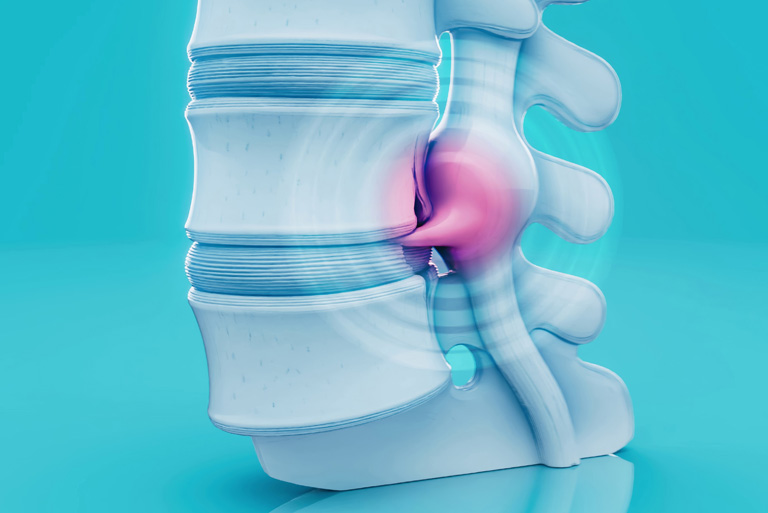
A slip disc is a spinal condition in which the soft inner portion of a spinal disc pushes through its outer layer and irritates nearby nerves. It commonly causes back pain, neck pain, numbness, tingling, or pain radiating to the arms or legs.
Spinal discs act as cushions between the vertebrae and help absorb pressure during movement. When these discs become damaged due to aging, poor posture, injury, repetitive strain, or improper lifting, they may bulge or rupture.
Depending on the severity and location of nerve compression, symptoms can range from mild discomfort to significant movement difficulty.
When is Slip Disc Treatment Recommended?
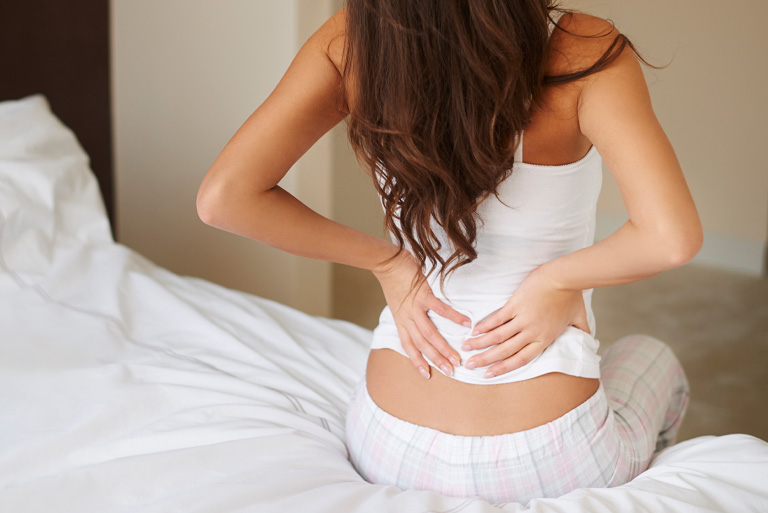
Slip disc treatment is recommended when back or neck pain persists, radiates to the limbs, or affects normal movement and daily activities. Early treatment helps relieve nerve pressure and reduces the risk of worsening spinal problems.
Medical attention becomes important when symptoms continue despite conservative approaches, including rest, medications, or lifestyle modifications. Patients may also experience numbness, tingling, muscle weakness, stiffness, or difficulty standing and walking comfortably.
Severe cases involving nerve compression may affect balance or bladder and bowel control, requiring urgent medical evaluation.
Slip Disc Treatment Options at a Glance
Slip disc treatment depends on symptom severity, spinal stability, nerve involvement, and the patient’s overall health condition. Most patients improve with non-surgical treatment, while severe cases may require minimally invasive procedures or surgery.
Conservative treatments commonly include medications, physiotherapy, posture correction, spinal exercises, heat therapy, and activity modification. Advanced pain management procedures, such as epidural injections, may help patients with persistent nerve irritation.
Surgery is usually advised only when symptoms fail to improve or significant nerve compression develops. Modern spine procedures focus on reducing tissue damage, improving recovery, and restoring spinal function.
Choosing the Right Center for Slip Disc Treatment
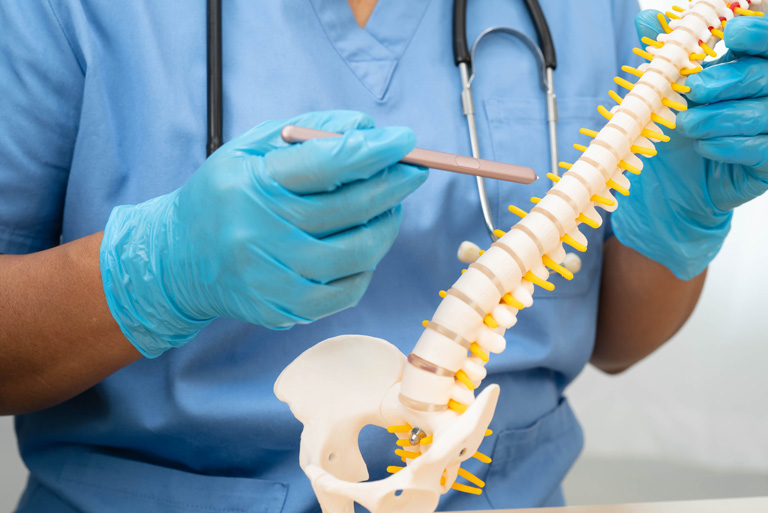
Choosing the right center for slip disc treatment is important for accurate diagnosis, safe treatment, effective rehabilitation, and long-term spinal health. A specialized orthopedic and spine center can provide comprehensive care under one roof.
Patients should look for a center with experienced orthopedic specialists, good patient reviews, advanced imaging facilities, physiotherapy support, minimally invasive treatment options, and personalized rehabilitation programs.
A good center focuses on both pain relief and long-term recovery. Access to structured physiotherapy, patient education, ergonomic guidance, and regular follow-up care are also important factors to consider when making a choice.




Physiotherapy
Our Physiotherapy treatment could help you become more mobile and make you more comfortable…

Spine Care
We offer a wide variety of treatments for all spine related problems to help you achieve your best health…

Sports Injury & Rehab
We offer complete solutions to Sports related injuries and RSIs through a multi-modal approach…

Arthritis Management
We specialize in diagnosing & treating all types of Arthritis & Joint problems by various Surgical & Non-Surgical treatments..

General Orthopaedic
We specialize in the diagnosis & treatment of all Orthopedic diseases &
conditions..

PEMF Therapy
Our PEMF Therapy helps reduce pain, improve circulation, and support faster healing and recovery…


Dr. Shuaib Kausar
- Specialities:
- Comprehensive Orthopaedic Care
- Trauma & Fracture Management
- Joint Replacement (Arthroplasty)
- Sports Medicine & Sports Injury Treatment
- Arthroscopy Procedures
- Spine Care & Rehabilitation
- Experience:
- Vast clinical experience in Orthopaedics and trauma care
- Successfully treated numerous cases related to arthritis, sports injuries, and spine disorders
- Known for precise diagnosis and patient focused treatment approach
- Works with an experienced physiotherapy team with 30+ years of combined experience for comprehensive orthopaedic rehabilitation and recovery
Slip disc problems are increasingly affecting people of different age groups due to prolonged sitting, poor posture, lack of physical activity, obesity, heavy lifting, and stressful work routines.
Many individuals with slip disc experience persistent back pain, stiffness, numbness, or radiating leg pain that interferes with daily activities, sleep quality, work performance, and overall mobility.
At Total Orthocare, patients receive the best treatment for slip disc in Banaswadi, which is focused on identifying the root cause of pain and improving long-term spinal health. The center provides advanced diagnostic evaluation, medications, physiotherapy, rehabilitation, posture correction, ergonomic guidance, and minimally invasive spine care when required.
The treatment approach focuses not only on relieving pain but also on restoring flexibility, strengthening spinal support, improving movement, and reducing recurrence risk. This helps patients safely return to their routine activities with improved comfort and spinal function.
Total Orthocare is considered a reliable center for those seeking the best slip disc treatment in Banaswadi due to its experienced orthopedic team, patient-focused approach, and comprehensive spine care services.
The center focuses on accurate diagnosis, effective pain relief, rehabilitation, and long-term spinal health improvement. Key reasons for choosing us include:
- 20+ years of orthopedic expertise: Extensive experience in treating slip disc conditions, chronic back pain, sciatica, and other spinal disorders.
- 10,000+ patients managed: Strong clinical experience in handling a wide range of orthopedic and spine-related problems successfully.
- 94%+ patient satisfaction rates: Consistently positive patient outcomes and recovery experiences reflect quality care and individualized attention.
- Comprehensive spine evaluation: Advanced diagnostic support helps identify the severity and exact location of spinal disc problems accurately.
- Personalized slip disc treatment: Treatment plans are designed according to pain severity, nerve involvement, lifestyle, and mobility goals.
- Emphasis on non-surgical recovery: Conservative methods, such as medications, physiotherapy, posture correction, and rehabilitation, are prioritized whenever suitable.
- Advanced treatment options: Minimally invasive spine procedures and surgical care are available for severe or persistent cases when required.
- Integrated rehabilitation support: Structured physiotherapy and strengthening exercises help improve flexibility, spinal stability, and long-term recovery.
- Patient-centered care approach: Continuous monitoring, follow-up care, and preventive guidance help reduce recurrence and improve spine health.
- Transparent and affordable treatment: Ethical treatment planning and cost-effective care ensure quality treatment with financial clarity for patients.
The main types of slip disc include bulging disc, protruded disc, extruded disc, sequestered disc, cervical slip disc, thoracic slip disc, and lumbar slip disc. These types are classified based on the severity of disc damage and the location of the affected spinal region.
Types Based on Structural Severity
- Bulging disc: A mild condition where the disc bulges outward without tearing completely.
- Protruded disc: The inner disc material pushes outward while the outer layer remains partially intact.
- Extruded disc: The soft inner portion breaks through the outer covering and may compress nearby nerves.
- Sequestered disc: A severe form where a disc fragment separates completely and enters the spinal canal.
Types Based on Location
- Cervical slip disc: Affects the neck and may cause pain, stiffness, tingling, or arm weakness.
- Thoracic slip disc: A less common type affecting the mid-back region and causing localized discomfort.
- Lumbar slip disc: The most common type affecting the lower back and causing sciatica, leg pain, numbness, or weakness.
At Total Orthocare, our skilled slip disc specialist in Banaswadi offers personalized slip disc treatment to each patient based on the type and severity of the condition present.
Slip disc problems can develop due to aging, spinal degeneration, injury, or repeated stress on the spine. Several lifestyle and occupational factors may increase the risk of disc damage.
Common causes and risk factors include:
- Age-related degeneration: Spinal discs gradually lose flexibility and water content with age, making them more prone to tearing or herniation.
- Poor posture: Incorrect sitting, standing, or sleeping posture places excess pressure on the spine and contributes to disc problems over time.
- Heavy lifting: Improper lifting techniques and repeated strain from carrying heavy objects can increase pressure on spinal discs.
- Sedentary lifestyle: Weak core muscles and prolonged sitting reduce spinal support and may contribute to disc degeneration.
- Obesity: Excess body weight places additional stress on the spine, especially the lower back region.
- Repetitive movements: Frequent bending, twisting, or physically demanding work may accelerate wear and tear of spinal discs.
- Smoking: Smoking reduces blood supply to spinal structures and may speed up disc degeneration and delayed healing.
- Previous spine injury: Past spinal injuries or trauma may increase the likelihood of developing a herniated disc later.
Slip disc symptoms may include localized spinal pain, radiating nerve pain, numbness, tingling, stiffness, muscle weakness, and difficulty with routine movements. The symptoms vary depending on the affected spinal region and severity of nerve compression.
Common symptoms include:
- Back or neck pain: Persistent pain in the lower back or neck is one of the most common symptoms of a slip disc.
- Radiating limb pain: Compressed nerves may cause pain traveling down the arm or leg, commonly known as sciatica.
- Numbness and tingling: Patients may experience tingling sensations or reduced sensation in affected limbs.
- Muscle weakness: Nerve compression can weaken muscles and affect grip strength, walking, or balance.
- Stiffness: Reduced spinal flexibility and stiffness may make bending, standing, or sitting uncomfortable.
- Difficulty walking: Severe disc problems can affect mobility and make routine activities difficult.
- Pain during movement: Symptoms usually worsen while bending, lifting, coughing, or prolonged sitting.
- Reduced quality of life: Chronic pain and mobility problems may interfere with sleep, work, and everyday activities.
Slip disc is diagnosed through clinical evaluation, neurological assessment, and imaging tests that help identify disc damage, nerve compression, and spinal involvement accurately. Common diagnostic investigations include:
- Medical history and symptom assessment: Doctors evaluate pain location, symptom duration, radiating pain patterns, numbness, and movement difficulty.
- Physical examination: Spinal movement, posture, reflexes, muscle strength, and nerve function are examined carefully.
- X-rays: X-rays help assess spinal alignment and rule out fractures or other bone-related conditions.
- MRI scan: MRI is the most important imaging test for detecting herniated discs, nerve compression, and soft tissue involvement.
- CT scan: CT scans may be recommended in selected cases for detailed evaluation of spinal structures.
- Neurological evaluation: Neurological testing helps assess nerve involvement, muscle weakness, reflex changes, and sensory disturbances.
Slip disc treatment may include medications, physiotherapy, lifestyle modification, spinal injections, rehabilitation exercises, minimally invasive procedures, or surgery, depending on the severity of symptoms and nerve involvement.
Total Orthocare offers the best spinal and slip disc treatment in Banaswadi, where the primary goal of treatment is to relieve pain, reduce nerve compression, restore movement, and improve long-term spinal health. Treatments offered include:
- Medications: Pain relievers, muscle relaxants, and anti-inflammatory medicines help reduce pain and inflammation.
- Physiotherapy: Structured physiotherapy programs improve flexibility, posture, strength, and spinal stability while reducing nerve irritation.
- Lifestyle modification: Patients receive guidance regarding posture correction, ergonomic adjustments, activity modification, and weight management.
- Heat and cold therapy: Thermal therapies help reduce muscle spasm, stiffness, and pain around affected spinal areas.
- Epidural injections: Targeted spinal injections may help relieve severe nerve irritation and radiating pain.
- Rehabilitation exercises: Spinal strengthening and stretching exercises improve support to the spine and reduce recurrence risk.
- Minimally invasive spine procedures: Advanced minimally invasive techniques may be recommended for persistent symptoms not improving with conservative treatment.
- Slip disc surgery: Surgery is considered for severe nerve compression, progressive weakness, or persistent pain affecting quality of life.
Slip disc treatment cost in Banaswadi varies depending on the severity of the condition, diagnostic requirements, treatment approach, rehabilitation needs, and whether surgery is required.
Non-surgical treatments are generally more affordable compared to slip disc surgery cost in Banaswadi. Factors affecting the overall cost include:
- Severity of slip disc: Mild cases generally require conservative treatment, while severe nerve compression may need advanced procedures or surgery.
- Diagnostic investigations: MRI scans, X-rays, CT scans, and neurological evaluations may influence the overall cost.
- Type of treatment: Medications, physiotherapy, injections, minimally invasive procedures, and surgery have different treatment expenses.
- Physiotherapy: The number and duration of rehabilitation sessions can affect total treatment costs.
- Surgical technique used: Minimally invasive spine surgery and advanced surgical techniques may involve additional costs.
- Hospitalization duration: Length of hospital stay and post-procedure monitoring influence overall expenses.
- Surgeon expertise: Treatment cost may vary depending on the experience and specialization of the orthopedic or spine surgeon.
- Post-treatment rehabilitation: Follow-up care, rehabilitation exercises, and recovery support may add to the overall cost.
At Total Orthocare, patients receive transparent and cost-effective treatment planning focused on quality care, recovery, and long-term spinal health.
At Total Orthocare, slip disc treatment is provided under the guidance of Dr. Shuaib Kausar, an experienced orthopedic specialist skilled in managing slip disc conditions, sciatica, chronic back pain, nerve compression, and various spinal disorders.
Dr. Shuaib Kausar emphasizes accurate diagnosis and personalized treatment planning using medications, physiotherapy, rehabilitation exercises, posture correction, lifestyle guidance, and advanced spine procedures when necessary.
His treatment approach focuses on relieving nerve pressure, improving spinal movement, restoring daily function, and supporting long-term spine health. Known for his patient-focused care and evidence-based treatment methods, Dr. Shuaib Kausar is regarded as the best doctor for slip disc in Banaswadi.
Book your consultation for advanced slip disc treatment and long-term spinal pain relief today!
Obstetrics & Gynaecology
Obstetrics & Gynaecology
Obstetrics & Gynaecology
Obstetrics & Gynaecology
Obstetrics & Gynaecology
GOODTrustindex verifies that the original source of the review is Google. Doctor is kind, gentle, very helpful,..physiotherapy is really, honestly good, excellent, recommendedPosted on GoogleTrustindex verifies that the original source of the review is Google. Very conservative doctor. Very soft. Empathetic. Highly recommended. Excellent at diagnosing the issue.Posted on GoogleTrustindex verifies that the original source of the review is Google. Concerned therapist and quick service. Physiotherapist helped me understand the issue and explained every detail which helped me take care of my problem and make changes to my routine to recover better.Posted on GoogleTrustindex verifies that the original source of the review is Google. Treatment was good and pain got better after few visit of physio.Dr Anusha physiotherapist has done a good job.Posted on GoogleTrustindex verifies that the original source of the review is Google. I had a good overall experience. The treatment was effective, and I noticed a significant improvement in my back pain. The care provided made a real difference, and I’m feeling much better now.Posted on GoogleTrustindex verifies that the original source of the review is Google. I have been visiting the doctor over the last 2 years. Doctor is very knowledgeable and prescribes precise treatment for the identified condition. They have their own physio section as well which was also effective. I would suggest this doctor for anyone with Ortho treatment requirements.
Yes, many slip disc cases improve with medications, physiotherapy, posture correction, and activity modification. Surgery is usually considered only when severe nerve compression, weakness, or persistent pain does not improve with conservative treatment.
You should consult an orthopedic spine specialist or slip disc specialist for proper diagnosis, imaging evaluation, and personalized treatment planning according to the severity of symptoms and nerve involvement.
Slip disc recovery duration varies depending on symptom severity and treatment type. Mild cases may improve within a few weeks, while severe cases or post-surgical recovery may require several months of rehabilitation.
Yes, slip disc recurrence is possible if posture correction, exercise routines, ergonomic practices, and preventive spine care measures are not followed consistently after recovery.
Most non-surgical slip disc treatments are comfortable and focus on gradual pain relief. If surgery is required, modern minimally invasive techniques are designed to reduce pain and support faster recovery.
Yes, gentle walking may help improve flexibility, circulation, and spinal movement in slip disc patients. However, excessive strain or improper activity should be avoided, and exercise should be performed according to medical advice.
