
Best Joint Replacement Surgery in Banaswadi
Best Joint Replacement Surgery In Banaswadi
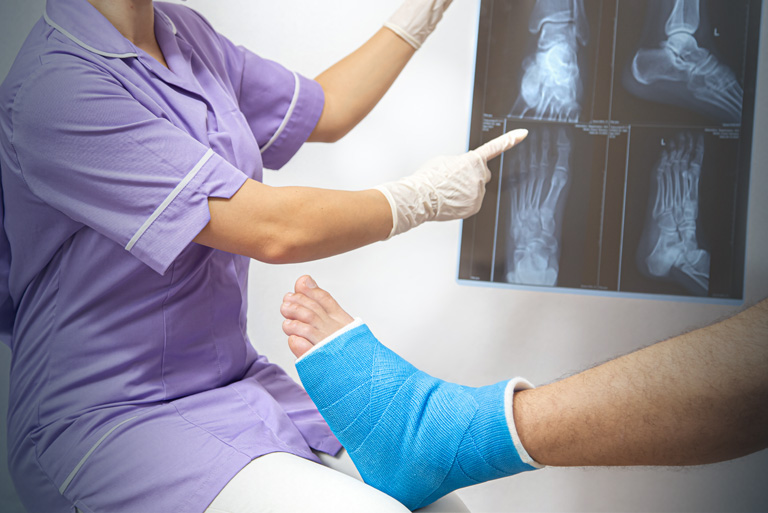
What is Joint Replacement Surgery?
Joint replacement surgery is an advanced orthopaedic procedure performed to replace damaged or worn-out joints with artificial implants, helping to relieve pain, restore smooth movement, and improve overall joint function.
The procedure is commonly recommended for patients with severe arthritis, joint degeneration, chronic pain, stiffness, or injuries that significantly affect mobility and daily activities. During surgery, the damaged portions of the joint are removed and replaced with specially designed prosthetic components that closely replicate the movement and function of a healthy joint.
Joint replacement surgery is most frequently performed for the knee, hip, and shoulder joints. Modern surgical techniques, including minimally invasive approaches, advanced imaging, and enhanced recovery protocols, help reduce post-operative discomfort, promote faster rehabilitation, and improve long-term functional outcomes.
When is Joint Replacement Surgery Recommended?
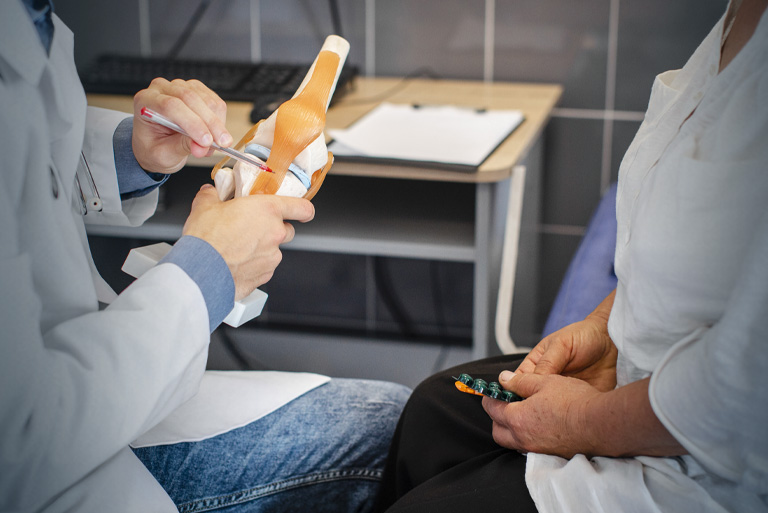
Joint replacement surgery may be recommended for managing joint pain and stiffness when persistent pain, swelling, reduced mobility, or joint deformity begins to interfere with daily activities and does not improve with conservative treatments such as medications, physiotherapy, or lifestyle modifications.
It is commonly recommended for patients with advanced osteoarthritis, rheumatoid arthritis, post-traumatic arthritis, avascular necrosis, severe joint degeneration, or complex joint injuries. Difficulty walking, climbing stairs, standing for extended periods, or experiencing pain even while resting may indicate the need for joint replacement surgery.
Diagnostic imaging, including X-rays, MRI, and CT scans, helps evaluate the extent of joint damage and enables orthopaedic specialists to determine the most appropriate treatment plan based on the patient’s condition, symptoms, and functional needs.
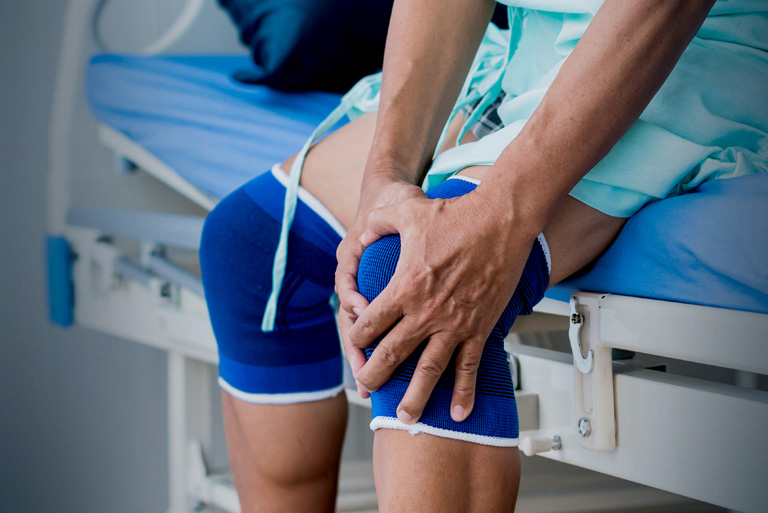
Joint Replacement Surgery Procedure at a Glance
Before joint replacement surgery, patients undergo a comprehensive medical evaluation, diagnostic imaging, and detailed pre-operative planning to determine the most appropriate treatment approach and ensure they are fit for surgery.
The procedure is performed under regional or general anaesthesia. During surgery, the damaged joint surfaces are removed and replaced with advanced artificial implants designed to restore smooth movement, improve joint stability, and relieve pain. Modern surgical techniques emphasize precision, minimal tissue disruption, accurate implant positioning, and enhanced long-term outcomes.
Following surgery, recovery is supported through effective pain management, structured physiotherapy, and personalized rehabilitation programmes. With guided rehabilitation and regular follow-up, most patients gradually regain mobility, improve joint function, and return to their daily activities with greater comfort and confidence.
Choosing the Right Clinic for Joint Replacement Surgery
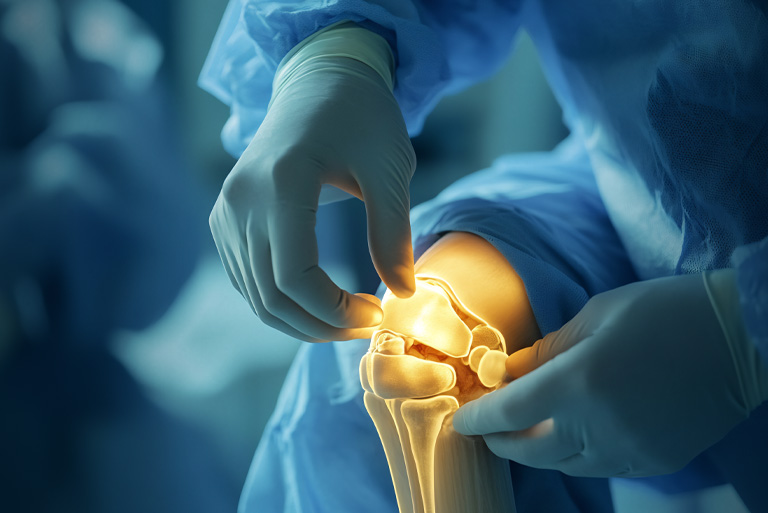
Choosing the right clinic for joint replacement surgery is essential for achieving successful outcomes, faster recovery, and long-term joint function. Patients should consider the experience of the orthopaedic surgeon, the availability of advanced surgical technology, the quality of implants, rehabilitation support, infection control standards, and personalized post-operative care.
A comprehensive orthopaedic centre like Total Orthocare, which offers diagnosis, surgery, physiotherapy, and follow-up care under one roof, provides a seamless treatment experience and supports optimal recovery at every stage.
Access to minimally invasive surgical techniques, advanced diagnostic imaging, modern implant technology, and individualized rehabilitation programmes can further enhance recovery, improve mobility, relieve pain, and maximize long-term patient satisfaction.




Physiotherapy
Our Physiotherapy treatment could help you become more mobile and make you more comfortable…

Spine Care
We offer a wide variety of treatments for all spine related problems to help you achieve your best health…

Sports Injury & Rehab
We offer complete solutions to Sports related injuries and RSIs through a multi-modal approach…

Arthritis Management
We specialize in diagnosing & treating all types of Arthritis & Joint problems by various Surgical & Non-Surgical treatments..

General Orthopaedic
We specialize in the diagnosis & treatment of all Orthopedic diseases &
conditions..

PEMF Therapy
Our PEMF Therapy helps reduce pain, improve circulation, and support faster healing and recovery…


Dr. Shuaib Kausar
- Specialities:
- Comprehensive Orthopaedic Care
- Trauma & Fracture Management
- Joint Replacement (Arthroplasty)
- Sports Medicine & Sports Injury Treatment
- Arthroscopy Procedures
- Spine Care & Rehabilitation
- Experience:
- Vast clinical experience in Orthopaedics and trauma care
- Successfully treated numerous cases related to arthritis, sports injuries, and spine disorders
- Known for precise diagnosis and patient focused treatment approach
- Works with an experienced physiotherapy team with 30+ years of combined experience for comprehensive orthopaedic rehabilitation and recovery
Joint problems are becoming increasingly common due to ageing, arthritis, injuries, obesity, and sedentary lifestyles, often resulting in chronic pain, stiffness, and reduced mobility. As these conditions progress, joint replacement surgery has become a highly effective solution for relieving pain, restoring movement, and improving overall quality of life.
Advancements in orthopaedic technology, implant design, minimally invasive surgical techniques, and enhanced rehabilitation protocols have significantly improved the safety, precision, and long-term success of modern joint replacement procedures. These innovations help patients recover faster, experience less post-operative discomfort, and return to their daily activities with greater comfort and confidence.
In addition, advanced keyhole joint surgery techniques enable the treatment of selected joint conditions with greater precision, minimal tissue disruption, reduced pain, and faster recovery.
Different types of joint replacement procedures are recommended depending on the affected joint, the severity of joint damage, and the patient’s functional needs. Total Orthocare offers advanced joint replacement surgeries using modern implants and evidence-based surgical techniques to restore mobility, relieve pain, and improve quality of life.
- Knee Replacement Surgery: Knee replacement surgery is commonly recommended for severe osteoarthritis, rheumatoid arthritis, chronic knee pain, stiffness, and joint deformity. Depending on the extent of joint damage, the procedure may involve either partial or total knee replacement to relieve pain and restore mobility.
- Hip Replacement Surgery: Hip replacement surgery may be advised for patients with advanced arthritis, hip fractures, avascular necrosis, or chronic hip pain affecting movement and daily activities. The hip joint replacement procedure helps improve joint stability, flexibility, and overall mobility.
- Shoulder Replacement Surgery: Shoulder replacement surgery is performed for severe shoulder arthritis, rotator cuff arthropathy, complex fractures, or chronic shoulder pain associated with restricted movement. Advanced prosthetic implants help restore shoulder function and reduce pain.
- Partial Joint Replacement: In selected patients, only the damaged portion of the joint is replaced while preserving healthy bone and surrounding tissues. Partial joint replacement can support faster recovery, improved joint preservation, and better functional outcomes.
- Revision Joint Replacement Surgery: Revision joint replacement may be required when a previous implant becomes loose, worn out, infected, damaged, or fails over time. The procedure aims to restore joint stability, improve function, and enhance the long-term performance of the replacement joint.
Joint replacement surgery offers significant benefits for patients experiencing chronic joint pain, stiffness, and reduced mobility caused by arthritis or advanced joint damage. Most patients experience improved movement, better joint function, and an enhanced quality of life following the procedure.
Key benefits of joint replacement surgery include:
- Relief from chronic joint pain.
- Improved mobility and flexibility.
- Enhanced joint stability and function.
- Better overall quality of life.
- Correction of joint deformity.
- Improved ability to perform daily activities.
- Long-lasting pain relief.
- Advanced minimally invasive surgical techniques.
- Faster rehabilitation with modern treatment protocols.
- Greater physical independence and improved mobility.
These benefits have made joint replacement surgery an effective solution for severe joint disorders and an integral part of comprehensive orthopaedic care at Total Orthocare in Banaswadi.
Proper preparation before joint replacement surgery helps improve surgical safety, implant success, and recovery outcomes. Patients typically undergo a comprehensive orthopaedic assessment, diagnostic imaging, and a detailed medical evaluation before the procedure.
Preparation before joint replacement surgery may include:
- Orthopaedic consultation and physical examination.
- X-rays, MRI scans, or CT imaging.
- Blood investigations and pre-operative medical fitness tests.
- Review of current medications, medical history, and allergies.
- Pre-anaesthesia assessment.
- Guidance regarding fasting before surgery.
- Discussion of implant selection, the surgical procedure, and recovery expectations.
Patients may also receive instructions regarding temporary medication adjustments, pre-operative physiotherapy, and post-operative rehabilitation planning. Understanding the recovery process in advance helps patients prepare for mobility support, rehabilitation, and a smoother return to daily activities.
Joint replacement surgery involves removing damaged joint surfaces and replacing them with artificial implants to restore smooth movement, stability, and function. At Total Orthocare, experienced joint replacement surgeons perform advanced procedures using precision-based surgical techniques and modern orthopaedic technology.
At Total Orthocare, the joint replacement procedure typically involves the following steps:
Step 1: Anaesthesia
The procedure is performed under regional, spinal, or general anaesthesia, depending on the joint being treated and the patient’s individual requirements.
Step 2: Surgical Incision
A carefully planned incision is made to access the affected joint while minimizing damage to the surrounding tissues.
Step 3: Joint Preparation
The damaged cartilage and worn-out bone surfaces are carefully removed to prepare the joint for the prosthetic implants.
Step 4: Implant Placement
Artificial prosthetic components are accurately positioned to restore proper joint alignment, stability, and smooth movement.
Step 5: Joint Assessment
The surgeon checks the alignment, stability, range of motion, and implant positioning to ensure optimal joint function before completing the procedure.
Step 6: Closure
The incision is closed using sutures or staples and covered with sterile dressings before the patient is transferred to the recovery area.
Most joint replacement procedures are completed within a few hours. Recovery and rehabilitation timelines vary depending on the joint treated, the type of procedure performed, and the patient’s overall health and commitment to physiotherapy.
Joint replacement surgery is generally considered a safe and highly effective orthopaedic procedure with excellent long-term success rates. However, like any surgical intervention, it carries certain risks and potential complications, including infection, bleeding, joint stiffness, and persistent pain.
Possible complications of joint replacement surgery include:
- Infection.
- Bleeding.
- Blood clots.
- Implant loosening or wear over time.
- Joint stiffness.
- Persistent pain.
- Nerve or blood vessel injury.
- Joint dislocation in certain types of joint replacement.
- Delayed wound healing.
- Anaesthesia-related complications.
Most patients recover successfully without major complications, particularly when surgery is performed by experienced orthopaedic specialists and followed by appropriate rehabilitation, physiotherapy, and comprehensive post-operative care.
The cost of joint replacement surgery in Banaswadi depends on the affected joint, the type of implant used, the complexity of the procedure, and the overall treatment requirements. Advanced procedures involving specialised implants, minimally invasive techniques, or robotic-assisted surgery may have higher treatment costs than conventional joint replacement procedures.
The final cost varies based on the patient’s condition, implant selection, surgical approach, duration of hospital stay, and post-operative rehabilitation requirements.
Factors Affecting the Cost of Joint Replacement Surgery
The overall cost of joint replacement surgery may vary depending on several medical and surgical factors. For example, the cost of knee replacement surgery and hip replacement surgery may differ based on the severity of joint damage, the type of implant selected, and the rehabilitation required.
Key factors influencing the overall treatment cost include:
- Type of joint replacement surgery performed.
- Severity of joint damage or arthritis.
- Type and quality of prosthetic implants used.
- Need for minimally invasive or robotic-assisted surgery.
- Surgeon’s expertise and experience.
- Hospital infrastructure and advanced surgical technology.
- Duration of hospital stay.
- Post-operative physiotherapy and rehabilitation requirements.
At Total Orthocare, patients receive advanced, evidence-based orthopaedic care with personalised treatment plans designed to improve mobility, relieve pain, and support long-term recovery at an affordable cost.
Recovery after joint replacement surgery varies depending on the joint treated, overall health, and rehabilitation progress. Most patients experience gradual improvement in mobility, pain relief, and joint function with proper physiotherapy and postoperative care.
Compared to severe preoperative joint pain and stiffness, patients usually notice significant improvement in movement and quality of life within the first few weeks after surgery.
Recovery timelines differ based on the type of joint replacement procedure and individual healing response. While many patients resume routine daily activities within a few weeks, complete recovery and return to more demanding physical activities may require several months of rehabilitation and strengthening exercises.
At Total Orthocare, a trusted joint pain hospital in Banaswadi, personalized rehabilitation programs help support safe and effective recovery after surgery.
Joint Replacement Recovery Timeline:
| Procedure | Normal Recovery Time | Return to Daily Activities | Return to Heavy Activity |
|---|---|---|---|
| Knee Replacement Surgery | 3–6 Months | 4–6 Weeks | 4–6 Months |
| Hip Replacement Surgery | 2–6 Months | 3–6 Weeks | 3–6 Months |
| Shoulder Replacement Surgery | 4–6 Months | 4–8 Weeks | 6–9 Months |
| Partial Joint Replacement | 6–12 Weeks | 2–4 Weeks | 2–3 Months |
| Revision Joint Replacement | 6–12 Months | 6–8 Weeks | 6–12 Months |
Recovery Tips:
- Follow postoperative instructions carefully.
- Attend regular follow-up appointments.
- Take medications as prescribed.
- Participate in physiotherapy and rehabilitation.
- Gradually increase physical activity.
- Avoid excessive strain on the operated joint.
- Maintain a healthy weight and active lifestyle.
Appropriate rehabilitation after surgery helps restore strength, flexibility, balance, and long-term joint function. Patients seeking knee joint pain treatment in Banaswadi generally benefit from structured physiotherapy programs that support a smoother return to normal activities.
Dr. Shuaib Kausar is an experienced orthopaedic surgeon at Total Orthocare with expertise in joint replacement surgery, arthritis management, and advanced orthopaedic care.
Recognized as a trusted joint replacement surgeon in Banaswadi, he has over two decades of clinical experience in diagnosing and treating a wide range of joint disorders, arthritis, and mobility-related conditions.
His patient-centred approach combines accurate diagnosis, personalised treatment planning, advanced surgical techniques, and comprehensive rehabilitation programmes to relieve chronic joint pain, restore mobility, improve joint function, and help patients return to their daily activities with greater comfort, confidence, and an improved quality of life.
Total Orthocare is a trusted joint pain hospital in Banaswadi, offering comprehensive joint replacement surgery using advanced orthopaedic techniques and personalised rehabilitation programmes. The focus is on accurate diagnosis, evidence-based treatment, faster recovery, and long-term joint health.
Reasons patients choose Total Orthocare include:
- More than 2 decades of orthopaedic experience.
- Over 10,000 patients treated.
- More than 94% positive patient feedback.
- Expertise in joint replacement surgery and arthritis management.
- Personalised treatment plans tailored to individual needs.
- Advanced joint evaluation and diagnostic facilities.
- Modern minimally invasive surgical techniques.
- Comprehensive treatment for knee, hip, and shoulder joint conditions.
- High-quality prosthetic implant options.
- Comprehensive physiotherapy and rehabilitation support.
- Focus on faster recovery and long-term mobility restoration.
- Patient-centred, evidence-based orthopaedic care.
- Complete care from diagnosis through recovery and follow-up.
Experiencing chronic joint pain, stiffness, or reduced mobility? Consult the specialists at Total Orthocare to find out whether joint replacement surgery is the right treatment option for you.
Obstetrics & Gynaecology
Obstetrics & Gynaecology
Obstetrics & Gynaecology
Obstetrics & Gynaecology
Obstetrics & Gynaecology
GOODTrustindex verifies that the original source of the review is Google. Doctor is kind, gentle, very helpful,..physiotherapy is really, honestly good, excellent, recommendedPosted on GoogleTrustindex verifies that the original source of the review is Google. Very conservative doctor. Very soft. Empathetic. Highly recommended. Excellent at diagnosing the issue.Posted on GoogleTrustindex verifies that the original source of the review is Google. Concerned therapist and quick service. Physiotherapist helped me understand the issue and explained every detail which helped me take care of my problem and make changes to my routine to recover better.Posted on GoogleTrustindex verifies that the original source of the review is Google. Treatment was good and pain got better after few visit of physio.Dr Anusha physiotherapist has done a good job.Posted on GoogleTrustindex verifies that the original source of the review is Google. I had a good overall experience. The treatment was effective, and I noticed a significant improvement in my back pain. The care provided made a real difference, and I’m feeling much better now.Posted on GoogleTrustindex verifies that the original source of the review is Google. I have been visiting the doctor over the last 2 years. Doctor is very knowledgeable and prescribes precise treatment for the identified condition. They have their own physio section as well which was also effective. I would suggest this doctor for anyone with Ortho treatment requirements.
Joint replacement surgery may be recommended for patients experiencing severe joint pain, stiffness, reduced mobility, or advanced arthritis that does not improve with medications, physiotherapy, injections, or lifestyle modifications. It is commonly performed for knee, hip, and shoulder joint conditions affecting daily activities and quality of life.
Recovery timelines vary depending on the joint treated, overall health, and rehabilitation progress. Most patients gradually return to daily activities within a few weeks, while complete recovery may take several months. Physiotherapy, regular follow-up care, and adherence to rehabilitation instructions play an important role in recovery.
Modern joint replacement surgery is performed using advanced anesthesia, pain management techniques, and minimally invasive approaches to reduce discomfort. While some postoperative pain and stiffness are expected initially, most patients experience significant long-term pain relief and improved joint function after proper recovery and rehabilitation.
The longevity of joint replacement implants depends on factors such as implant quality, activity level, weight management, and overall joint health. In many cases, modern implants can last 15-20 years or longer with proper care, regular follow-up evaluations, and adherence to rehabilitation recommendations.
Patients are usually advised to avoid high-impact activities, excessive strain, and heavy lifting during the recovery phase. After rehabilitation, many individuals can safely resume walking, climbing stairs, light exercise, and routine daily activities, although activity restrictions may vary depending on the type of joint replacement performed.
Minimally invasive and keyhole joint surgery techniques use smaller incisions and advanced surgical methods to reduce tissue damage during orthopedic procedures. These approaches may help minimize postoperative pain, reduce hospital stay duration, improve cosmetic outcomes, and support faster recovery and rehabilitation compared to traditional surgical methods.
